Publisher | Google Scholor Gandini S, Negri E, Boffetta P, La V C, Boyle P
His vision did allow for those terrible moments that eventually come for us all
Why Nurses Are Burning Out In the U.S., maternal mortality has climbed to more than four times the rate recorded in 1987, with Black women suffering disproportionately higher mortality compared to their White, Hispanic, and Asian counterparts
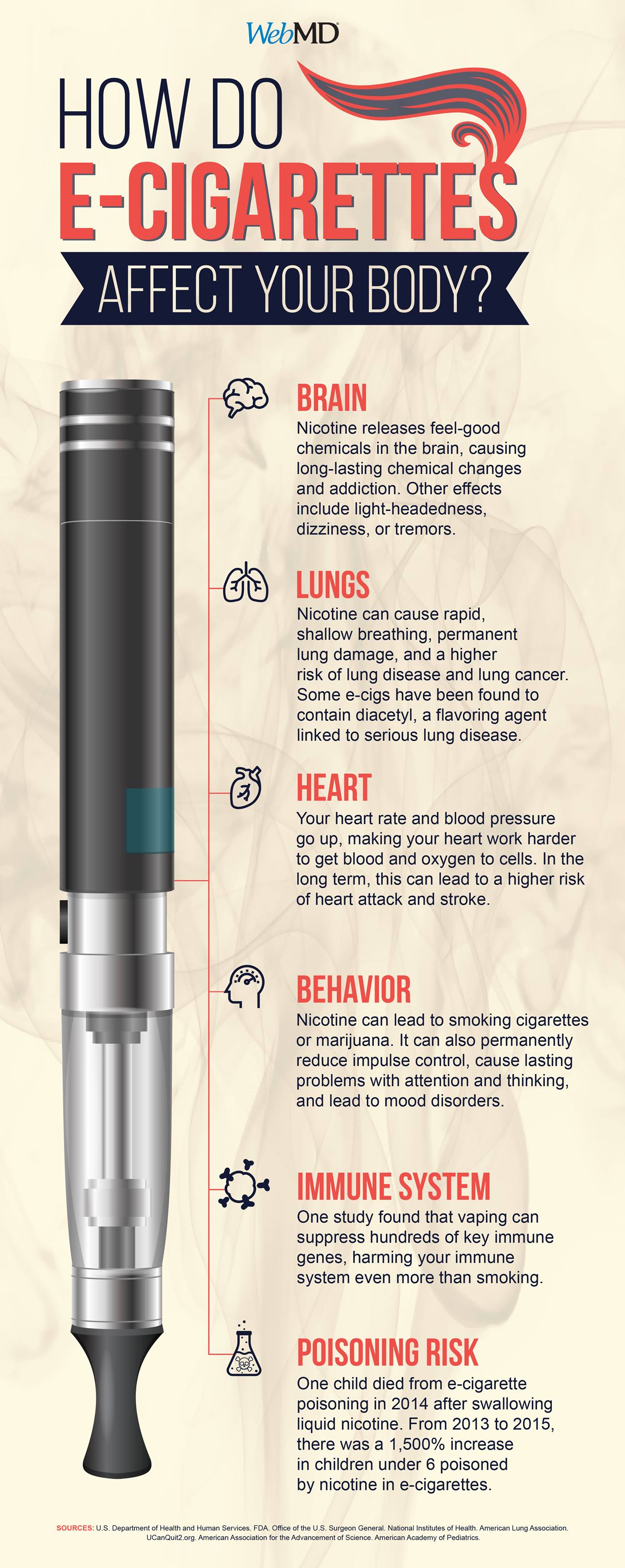
Under the Family Smoking Prevention and Tobacco Control Act, the 2009 law that the FDA successfully construed as giving it the authority to regulate e-cigarettes as "tobacco products," the agency is supposed to issue a marketing order only when it is "appropriate for the protection of the public health," taking into account "the risks and benefits to the population as a whole, including users and nonusers of the tobacco product." The FDA is required to consider "the increased or decreased likelihood that existing users of tobacco products will stop using such products" as well as "the increased or decreased likelihood that those who do not use tobacco products will start using such products." Right away there is an obvious problem with this standard, since it hinges not on the interests of individual consumers but on the FDA's prediction of how a product will affect "the population as a whole." That collectivist calculus is not only inherently difficult and uncertain






.png)