Furthermore, in spite of considerable research efforts (Dixon et al., We propose a model describing the diverse roles of plant GSTs in the interactions of plant hosts with pathogenic microbes considering four different plant-pathogen interaction types (Table 1): (1) symptomless resistance (including basal resistance to bacteria and symptomless R gene-mediated resistance to viruses), (2) HR-associated resistance, (3) limiting susceptibility to systemic spread of pathogens and plant cell/tissue death (during infections by hemibiotrophic/necrotrophic fungi, bacteria, and viruses), (4) promoting susceptibility to biotrophic fungi and viruses (maintaining reduced conditions in infected non-necrotic plant tissues)
Media Contact: Amanda Bell [email protected] 201.648.5122 View source version on businesswire.com: The articles, information, and content displayed on this webpage may include materials prepared and provided by third parties
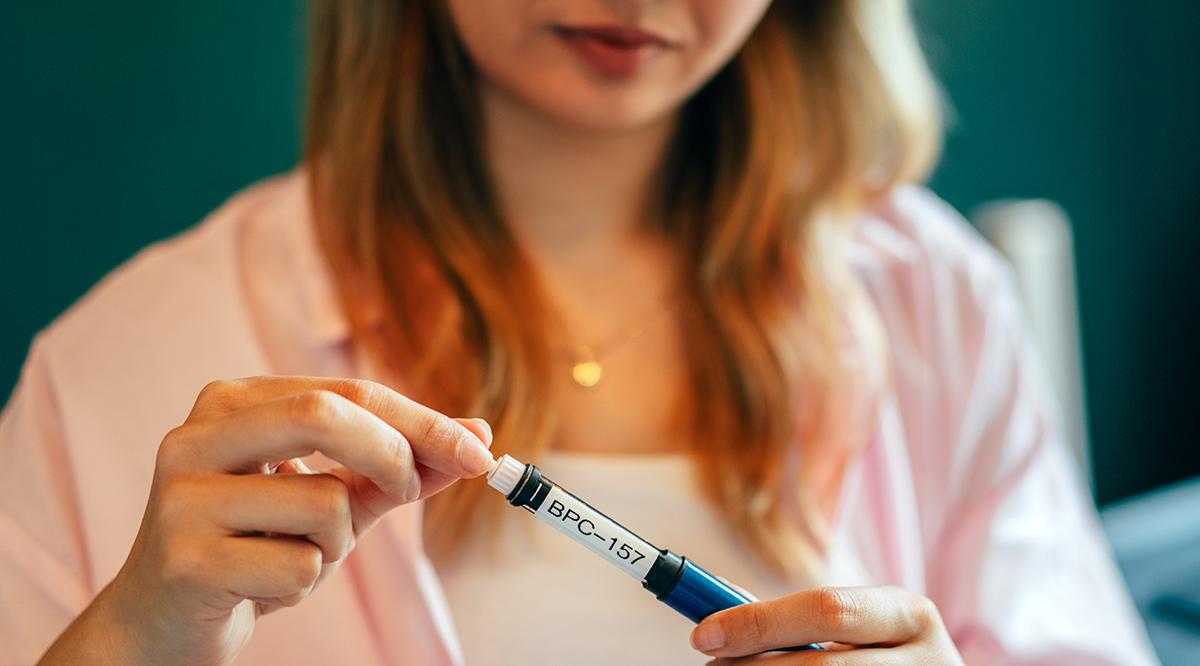
Historical Background and Scientific Context Scientific interest in synthetic peptides expanded substantially as advances in analytical chemistry and peptide synthesis enabled researchers to investigate increasingly complex molecular communication systems
A 2026 UK review of how THC acts on CB1 receptors and the intertwined endocannabinoidBDNF system, why cannabis cognition largely recovers after a tolerance break (Scott 2018: deficits fading past ~72 hours), high-potency skunk and psychosis, synthetic Spice and cannabinoid hyperemesis syndrome, the May 2025 London Drugs Commission decriminalisation report and why a break comes first, not a peptide Read the full review Substance & Lifestyle Neuroscience 11 June 2026 Dihexa for Alcohol Brain Fog & Alcohol-Related Brain Damage (ARBD): The 2026 UK Review Can a synaptogenic peptide help alcohol brain fog, sober brain fog or alcohol-related brain damage