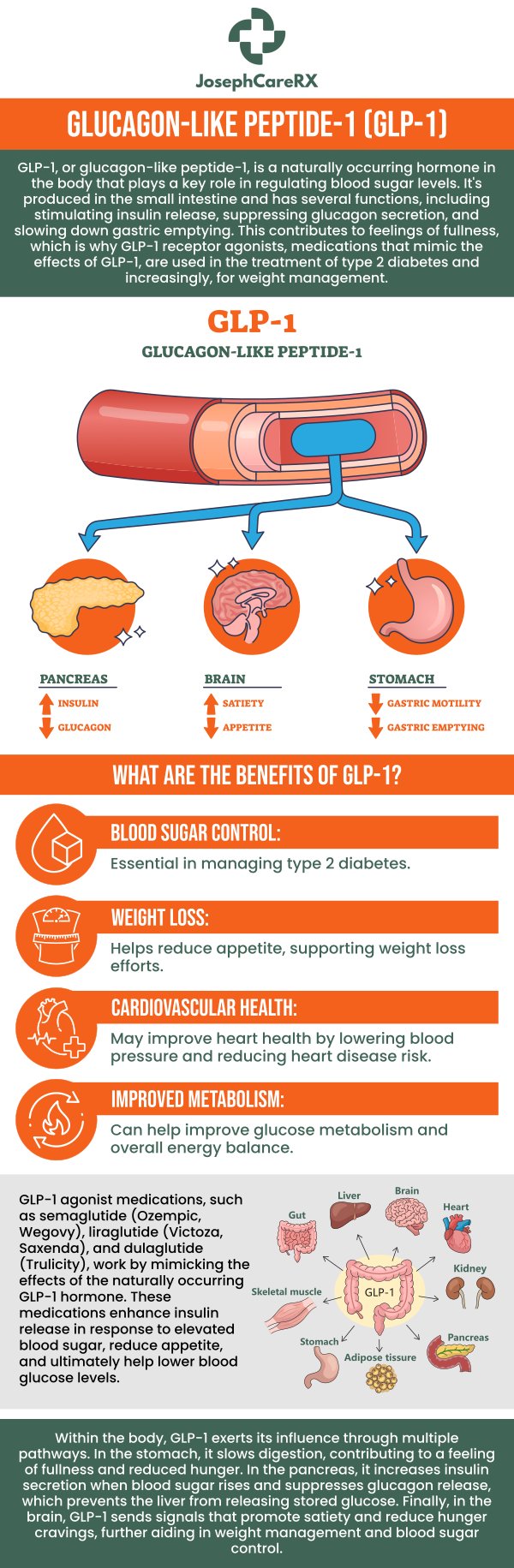
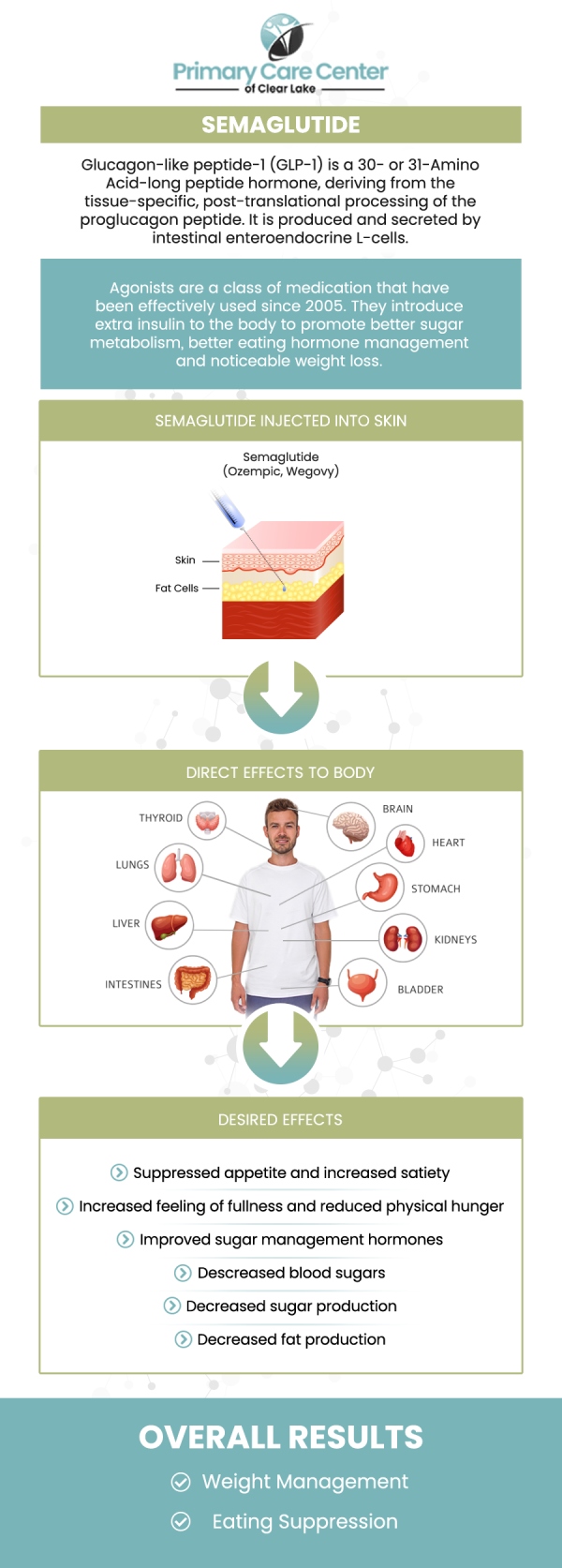
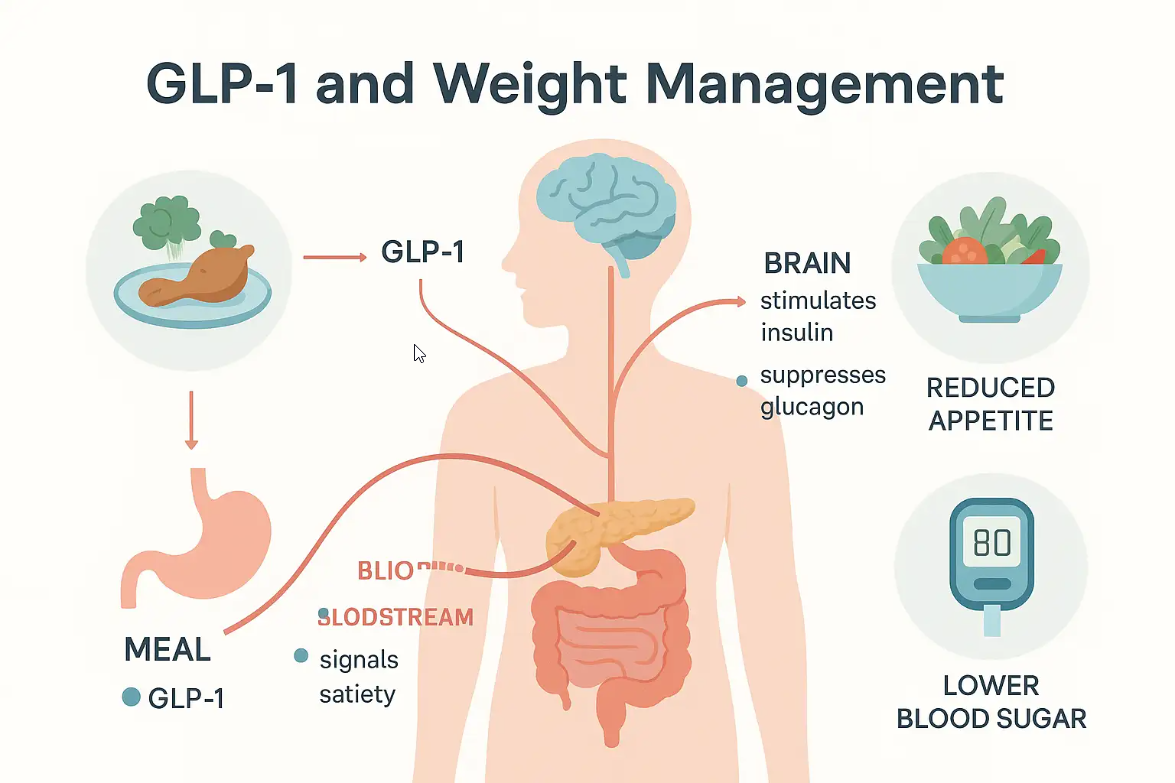
While both aim to serve the same growing need, their approaches differ significantly
FDA concluded that based on the available evidence, that the supply of semaglutide meets or exceeds current demand, and that, based on our best judgment looking at the available information with its limitations, supply will meet or exceed projected demand. FDA acknowledges in the Declaratory Order that: [E]ven when a shortage is considered resolved, patients and prescribers may still see intermittent localized supply disruptions as products move through the supply chain from the manufacturer and distributors to local pharmacies
A state-licensed pharmacy can still compound a GLP-1 for an individual patient with a valid prescription in narrow situations for example, a documented allergy to an inactive ingredient in the approved product, a need for a different formulation, or a prescriber-documented significant clinical difference for that specific patient
The decision should always weigh patient response , cost, and long-term treatment sustainability