Acetaminophen + combinations are responsible for 14.0% & 3.38% of fatal single substance exposures, respectively
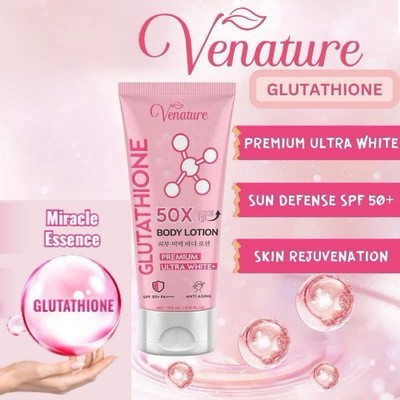
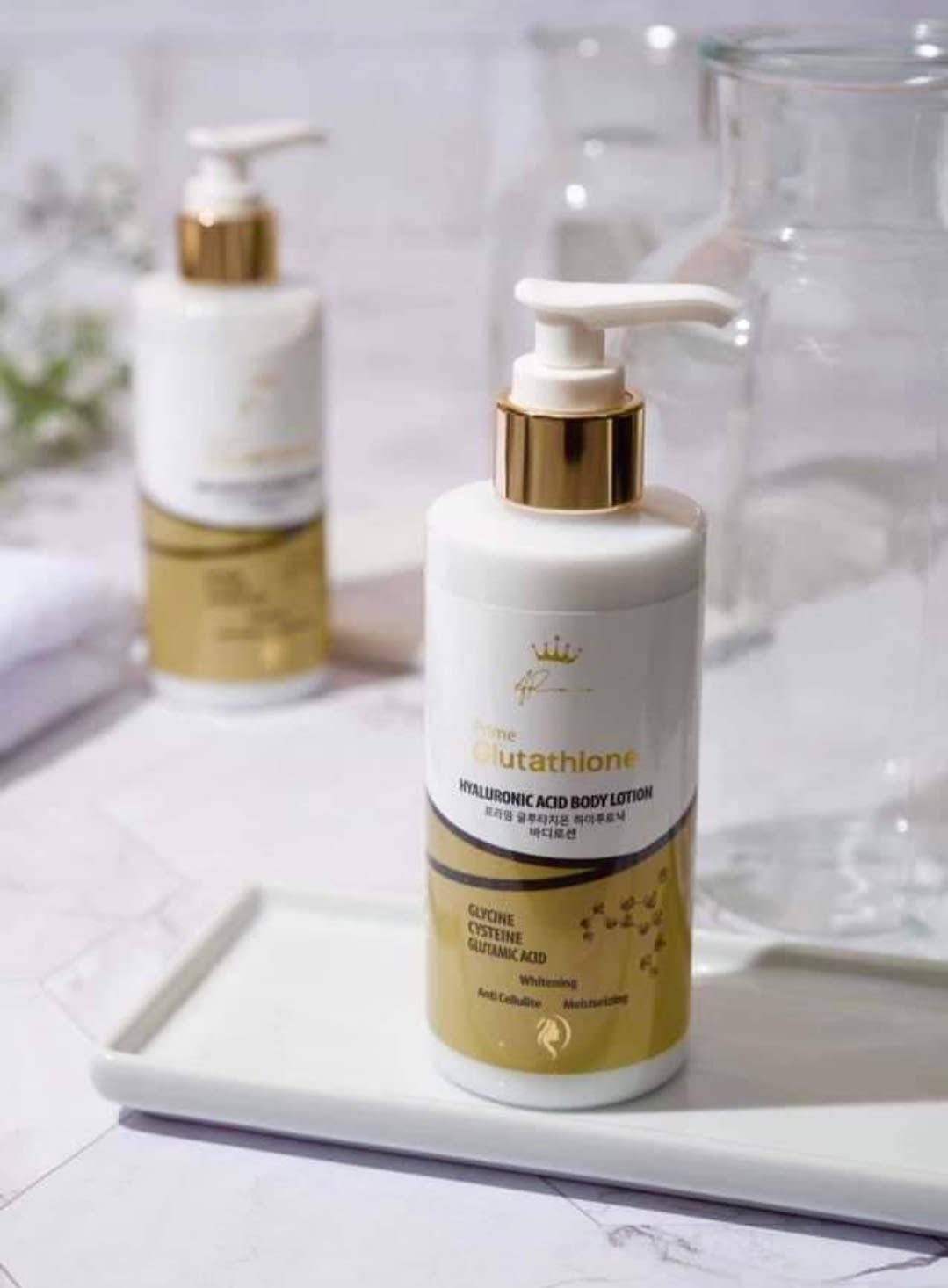
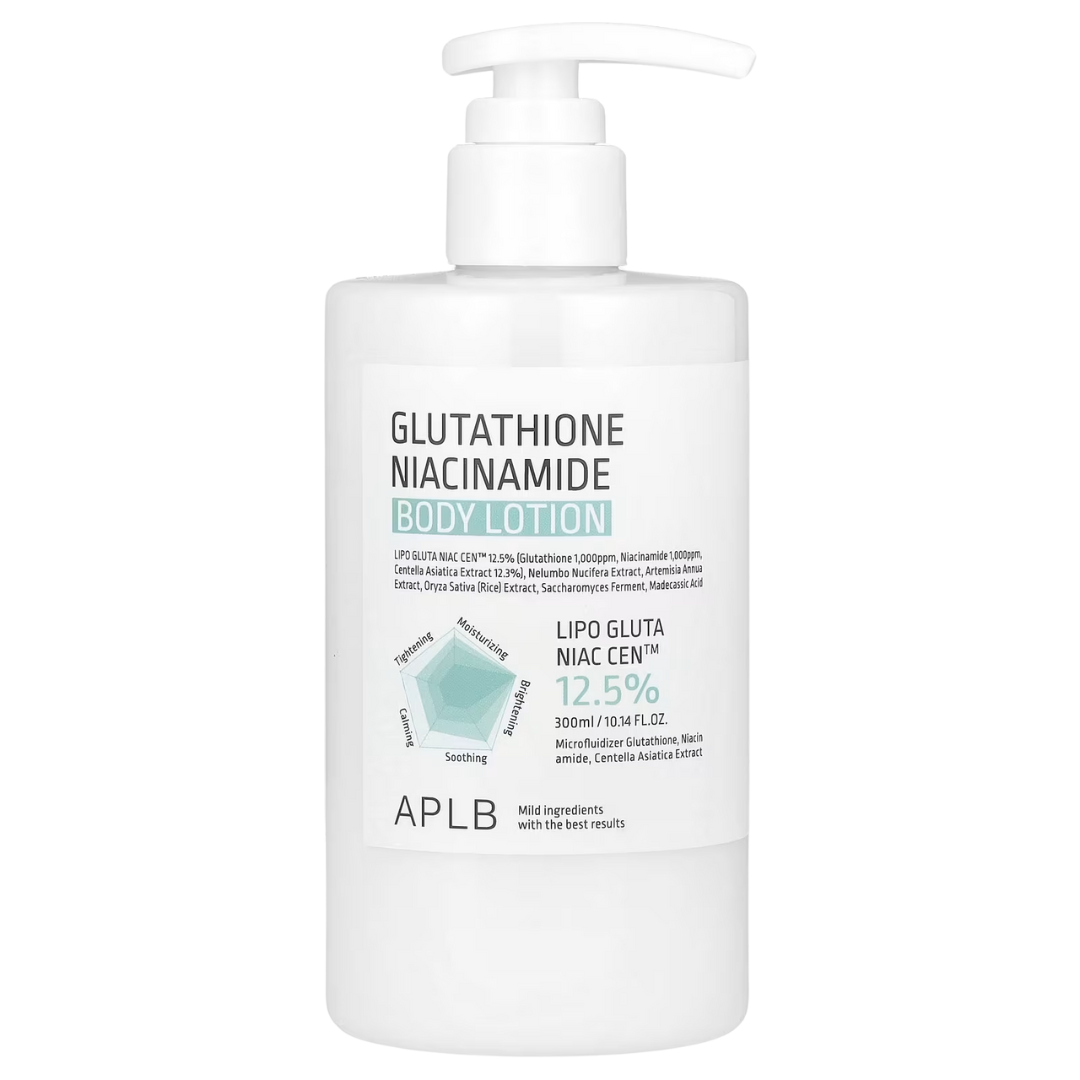
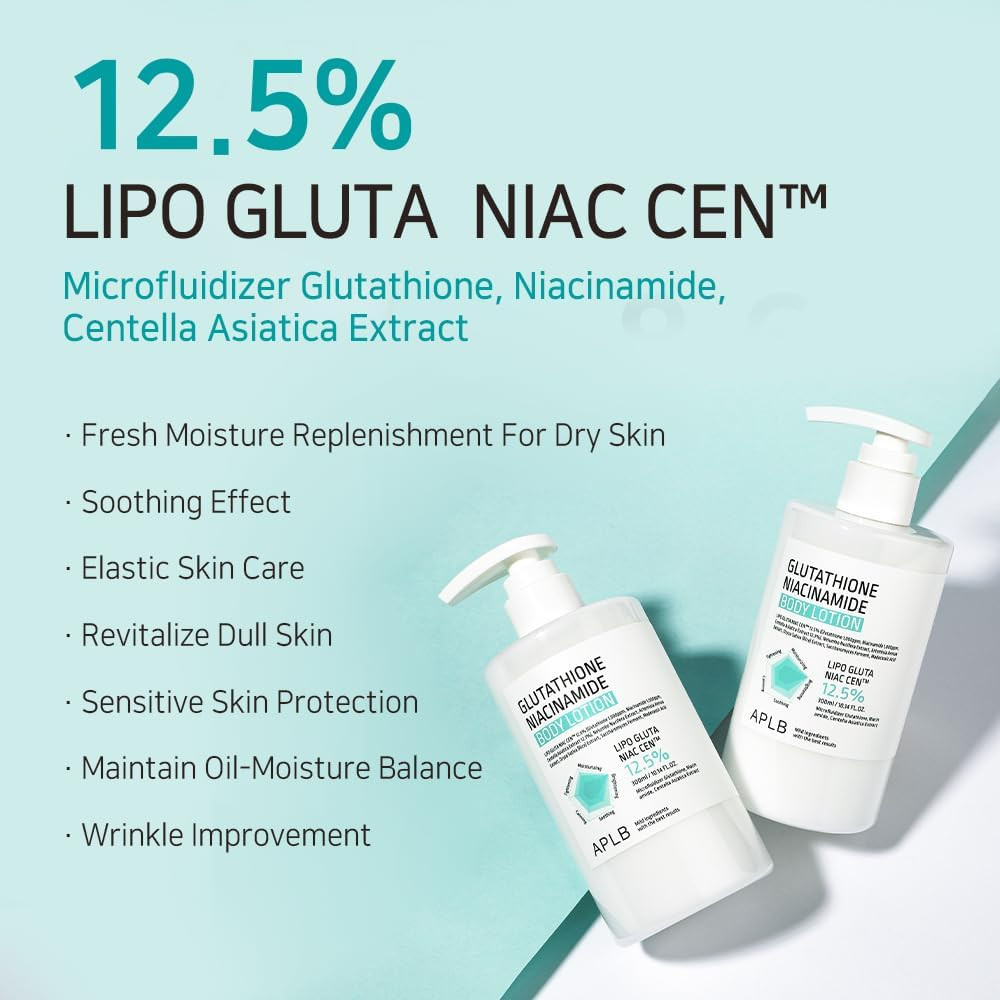
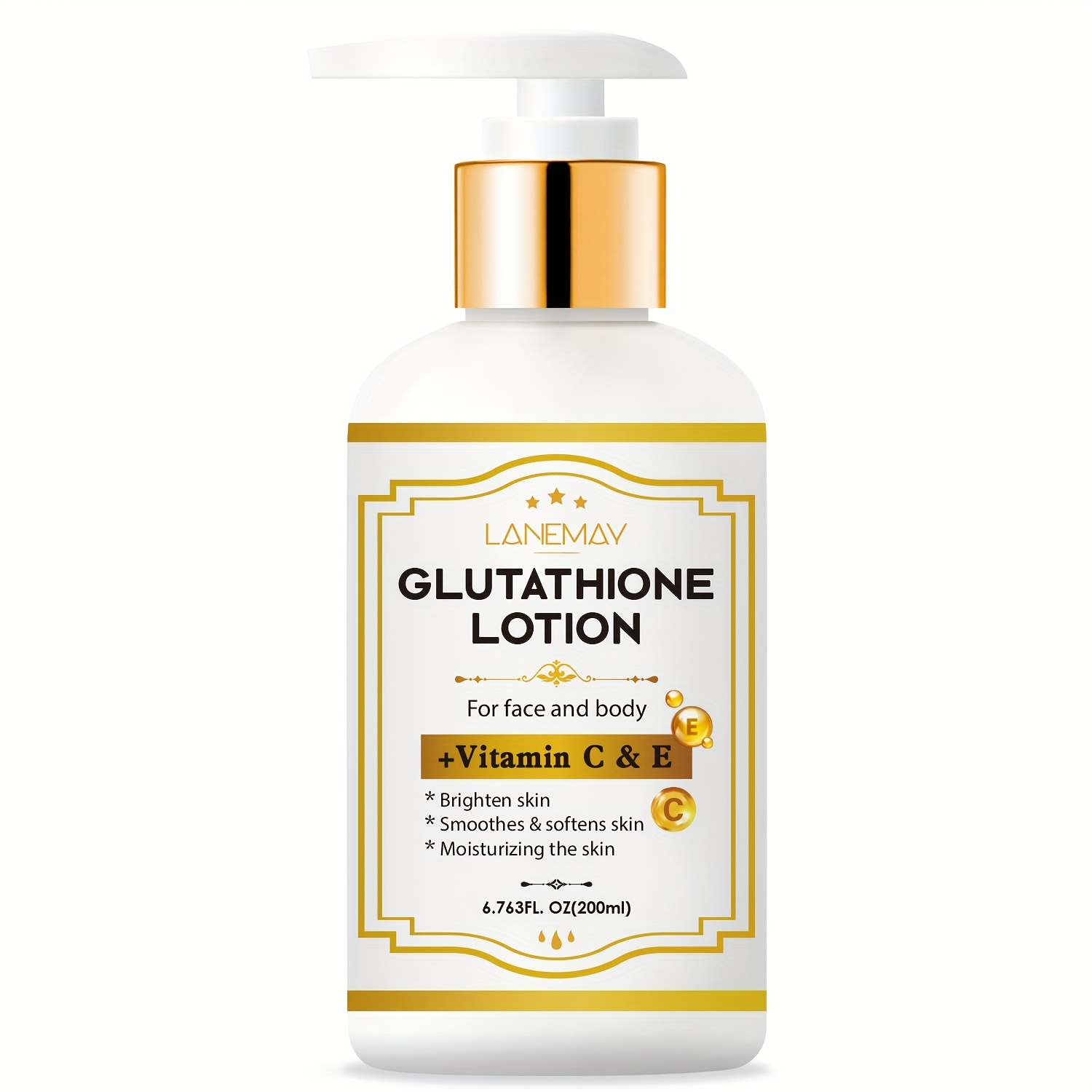
Aqua, Dibutyl Adipate, Propanediol, Diethylamino Hydroxybenzoyl Hexyl Benzoate, Ethylhexyl Triazone, Methylene Bis-Benzotriazolyl Tetramethylbutylphenol, Butyloctyl Salicylate, Caprylyl Methicone, Polymethylsilsesquioxane, Diethylhexyl Butamido Triazone, Glycerin, Butylene Glycol, 1, 2-Hexanediol, Vinyl Dimethicone/Methicone Silsesquioxane Crosspolymer, Pentylene Glycol, Poly C10-30 Alkyl Acrylate, Polyglyceryl-3 Methylglucose Distearate, Behenyl Alcohol, Decyl Glucoside, Tromethamine, Carbomer, Acrylates/C10-30 Alkyl Acrylate Crosspolymer, Niacinamide, Centella Asiatica Leaf Water, Stearyl Alcohol, Arachidyl Alcohol, Sodium Stearoyl Glutamate, Polyacrylate Crosspolymer-6, Ethylhexylglycerin, Glutathione, Cetyl Alcohol, T-Butyl Alcohol, Dipropylene Glycol, Squalane, Benzyl Glycol, Hydrolyzed Glycosaminoglycans, Sodium Hyaluronate, Asiaticoside, Madecassic Acid, Asiatic Acid, Hippophae Rhamnoides Fruit Extract, Melaleuca Alternifolia (Tea Tree) Leaf Extract, Sodium Hyaluronate Crosspolymer, Hydrolyzed Hyaluronic Acid, Hydrolyzed Collagen, Beta-Glucan, Artemisia Annua Extract, Oryza Sativa (Rice) Extract, Nelumbo Nucifera Extract, Saccharomyces Ferment, Hydroxypropyltrimonium Hyaluronate, Solanum Melongena (Eggplant) Fruit Extract, Hyaluronic Acid, Sodium Acetylated Hyaluronate Ingredients may change

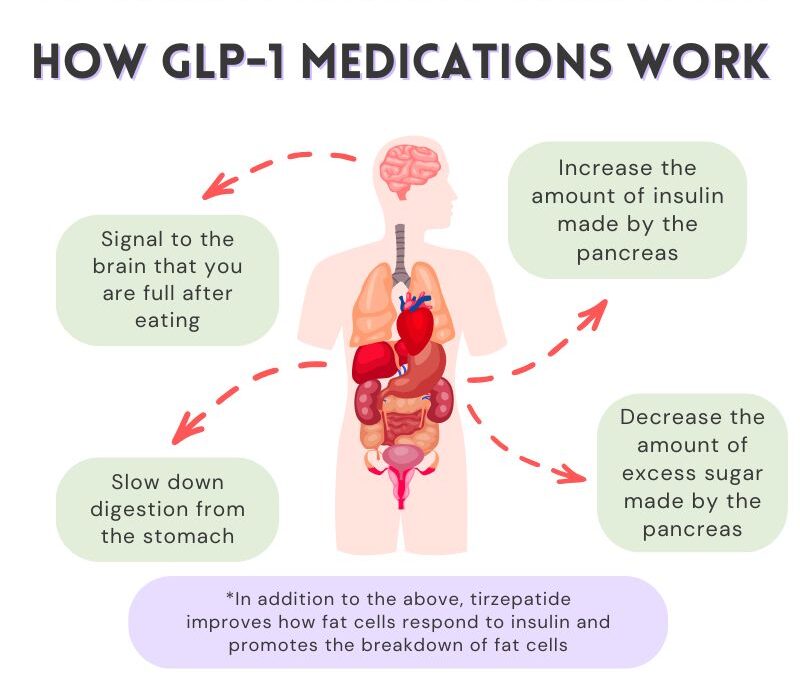
This study demonstrated the importance of combined GLP-1R and GCGR signalling, as administration of the balanced co-agonist to Glp1r -/- mice led to hyperglycaemia, further demonstrating the necessity of GLP-1R and GCGR co-agonism to minimise this predicted side-effect
SGLT2-Inhibitors: A Novel Class for the Treatment of Type 2 Diabetes Introduction of SGLT2-Inhibitors in Clinical Practice