Similar content being viewed by others Introduction Glutathione-S-transferase (GST) from Schistosoma japonicum is often included as a protein tag in a commonly used molecular biology technique
Standard urine or blood panels typically look for: Narcotics Stimulants Steroids THC/cannabinoids Benzodiazepines Alcohol Anabolic agents Peptide detection requires advanced LC-MS/MS testing , which is expensive and rarely included unless: You are in elite athletics (Olympic, NCAA, CrossFit Games, etc.) Youre subject to targeted anti-doping panels A governing body has reason to suspect peptide use Detection Time (If Tested) While no official data exists, if a test were to screen for BPC-157 , it would likely only be detectable for 2472 hours post-dose , depending on: Dose and injection site Metabolic rate Lab sensitivity This is consistent with its short half-life and fast clearance , especially in the injectable form
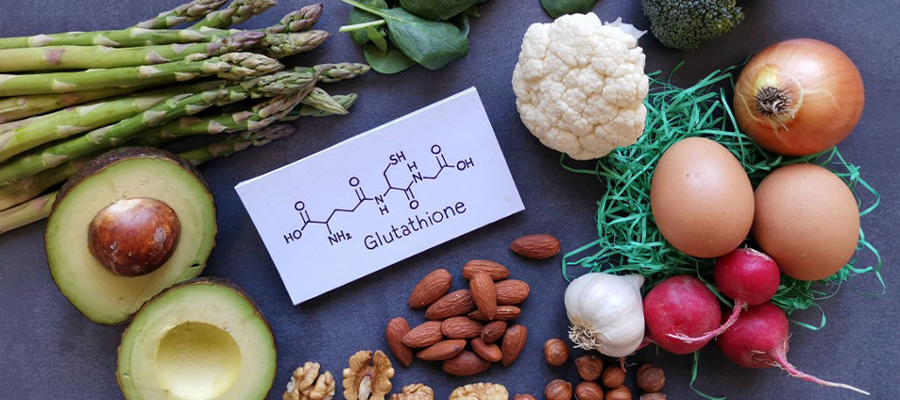
Some of the risk factors and causes of glutathione levels that are lower than normal include: Illness Pollution Smoking Poor diet Natural aging Chronic stress Drinking alcohol Depression and anxiety Exposure to heavy metals Exposure to harmful household chemicals While IV therapy and injections are suitable for anyone, our medical experts will evaluate your medical history to ensure that glutathione therapy is an appropriate treatment for you
[DOI] [PubMed] [Google Scholar] 227.Asoudeh F., Dashti F., Jayedi A., Hemmati A., Fadel A., Mohammadi H