4 Strengths and limitations This review integrates evidence across cellular, organ, and physiological levels, highlighting autophagy pathways, hormonal regulation involving GH, cortisol, insulin, leptin, and thyroid hormones, as well as cardiovascular, neurological, and gastrointestinal outcomes
The cag PAI , a 40 kilobase segment of DNA is a group of about 30 genes, many of which encode components of type IV secretion system (T4SS) that acts as a "molecular syringe" through which cytotoxin-associated antigen (CagA), a protein encoded on the cag PAI, is translocated or "injected" into the epithelial cytosol causing powerful changes which is believed to benefit the bacterium
OJEDA, LUIS, NOGUERA-MACHADO, NIRZA, CLARAMONTE, MARA, PREZ-YBARRA, LUIS, HERNNDEZ, DIANA, BALDA, INGMAR, GONZLEZ, MOISS, & HERNNDEZ, GNESIS
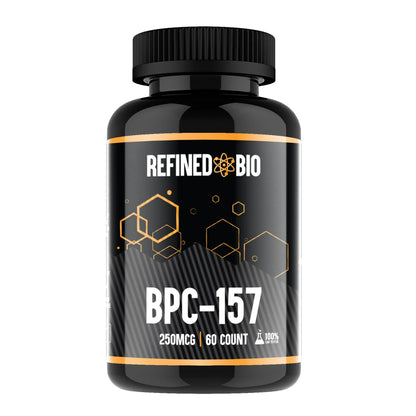
Understanding Plantar Fasciitis and Why It Persists What Is BPC-157 and How Does It Work The Science Behind Tissue Healing Why BPC-157 May Help Plantar Fasciitis Research Evidence and Clinical Findings Dosing Protocols for Foot and Heel Conditions Injection Techniques and Best Practices Expected Timeline for Results Combining BPC-157 with Other Treatments Safety Considerations and Side Effects Quality and Sourcing Considerations Lifestyle Factors That Support Healing When to Consider BPC-157 for Your Plantar Fasciitis Frequently Asked Questions Glossary of Terms References Understanding Plantar Fasciitis and Why It Persists Plantar fasciitis affects approximately 10% of the population at some point in their lives, making it one of the most common causes of heel pain