decreased TSH, decreased Total T4, and decreased Free T4) Uncommon (0.1% to 1%): Galactorrhea, hypoadrenalism, diabetes insipidus [Ref] Local Very common (10% or more): Injection site pain (13.8%), injection site reactions Common (1% to 10%): Injection site hematoma [Ref] Dermatologic Very common (10% or more): Alopecia (13.2%) Common (1% to 10%): Pruritus, bruise, rash Uncommon (0.1% to 1%): Cellulitis, petechiae, urticaria, basal cell carcinoma [Ref] Musculoskeletal Common (1% to 10%): Joint pain, backache Uncommon (0.1% to 1%): Arthritis, joint effusion, muscle pain, Raynaud's phenomenon [Ref] Psychiatric Common (1% to 10%): Depression Uncommon (0.1% to 1%): Anxiety, paranoia, libido decrease [Ref] Other Very common (10% or more): Fatigue (31.8%), generalized pain (15%) Common (1% to 10%): Weakness Uncommon (0.1% to 1%): Hearing loss, otitis [Ref] Respiratory Very common (10% or more): Upper respiratory tract infection (18.2%), sinusitis (12%) Common (1% to 10%): Cold symptoms, flu symptoms, epistaxis Uncommon (0.1% to 1%): Pneumonia, pulmonary nodule, status asthmaticus [Ref] Renal Uncommon (0.1% to 1%): Increased creatinine kinase [Ref] Hypersensitivity Uncommon (0.1% to 1%): Allergic reaction Frequency not reported : Anaphylactic reaction [Ref] Immunologic Very common (10% or more): Antibodies to octreotide (25%) Ocular Common (1% to 10%): Blurred vision, visual disturbance Uncommon (0.1% to 1%): Increased intraocular pressure [Ref] Genitourinary Common (1% to 10%): Urinary tract infection, pollakiuria Uncommon (0.1% to 1%): Gynecomastia, amenorrhea, polymenorrhea, oligomenorrhea, vaginitis, nephrolithiasis, hematuria [Ref] References 1

Excessive doses may simply be excreted without providing additional benefits, while potentially increasing the risk of side effects and unnecessarily straining your budget
Transmission electron microscopy The cells to be observed were fixed with 2.5% normal glutaraldehyde in PBS, aspirated into the centrifuge tube, and centrifugated at 2000 rpm for 2 min
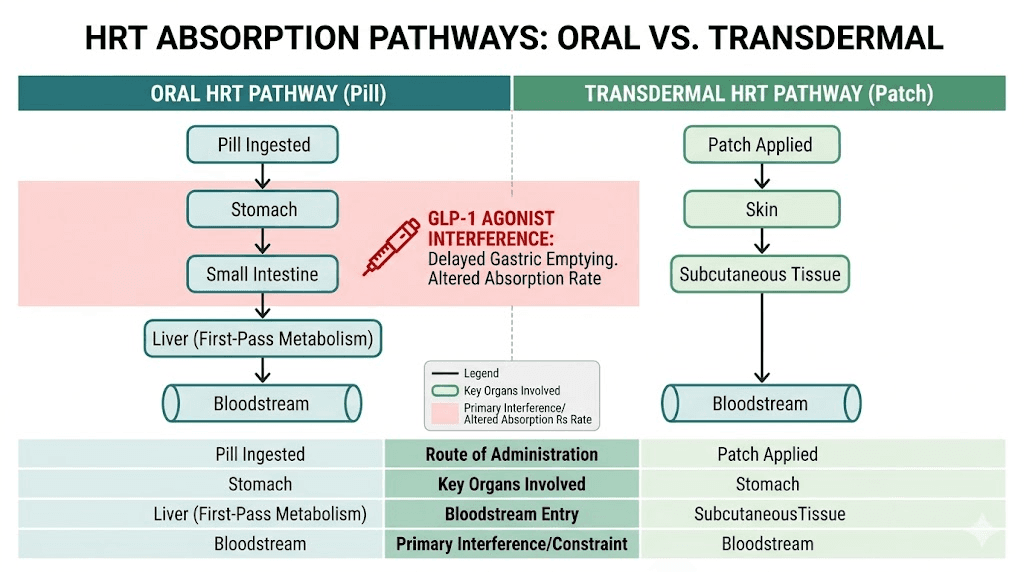
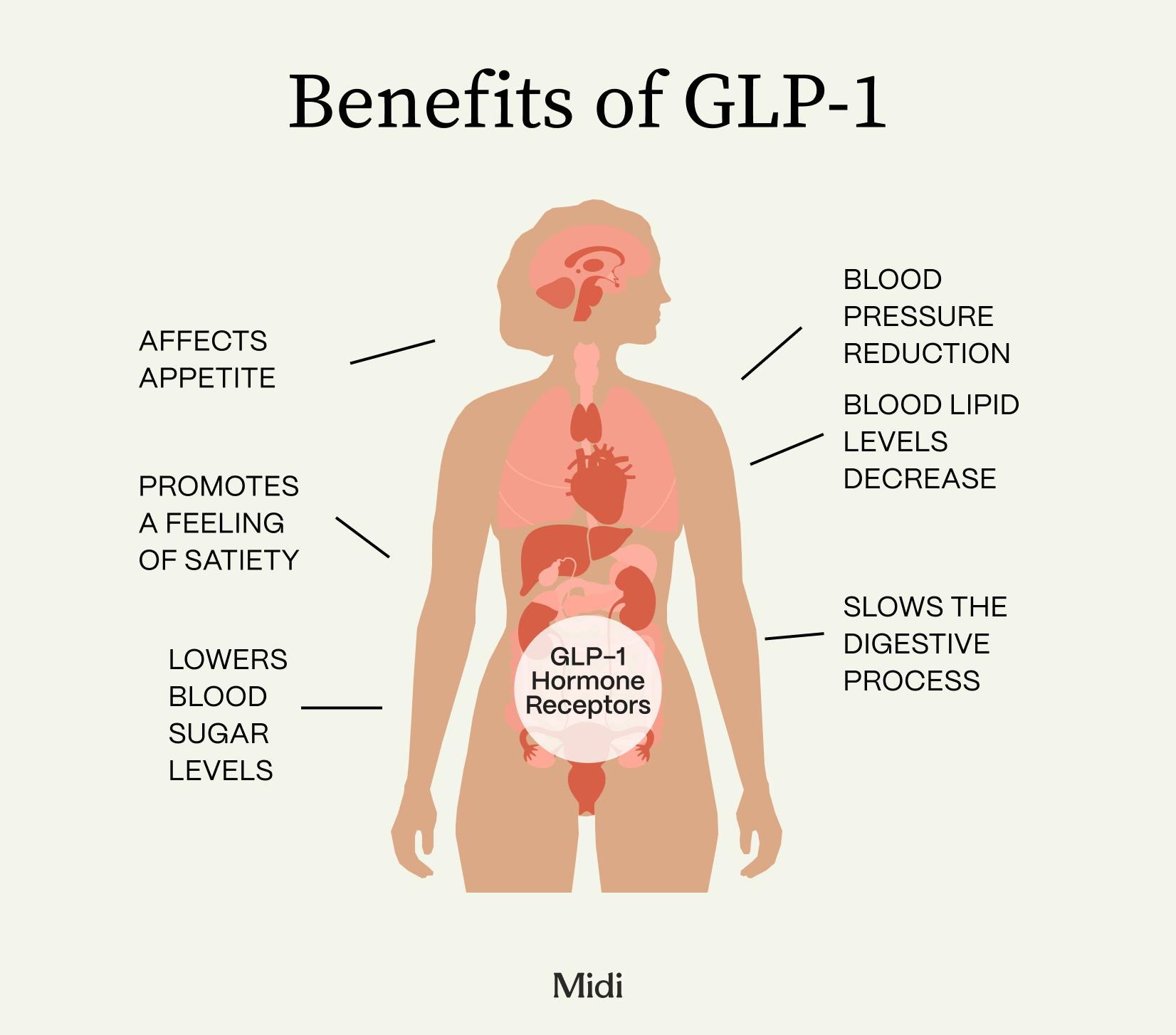
By slowing down the rate at which food leaves your stomach, they help you feel satisfied after smaller meals, making it easier to consume fewer calories without feeling deprived