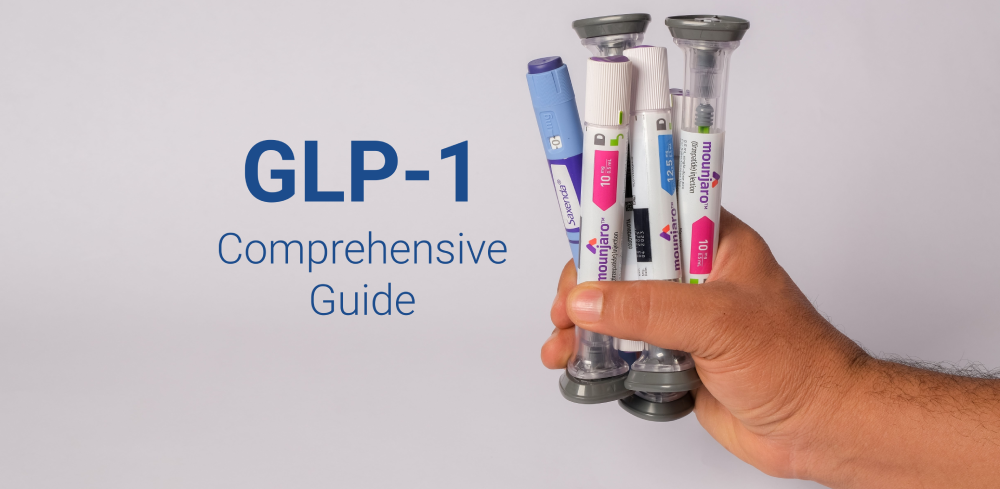
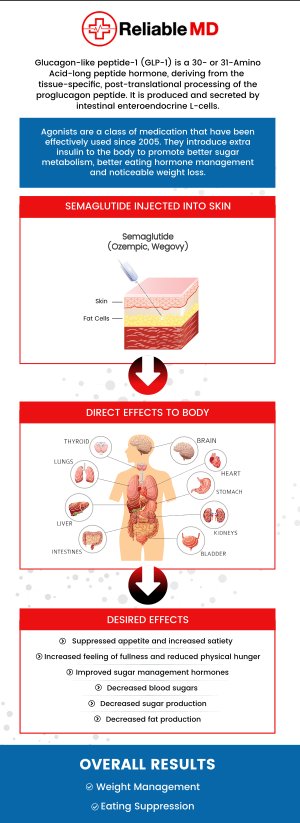
The anti-inflammatory effects of GLP-1 drugs are particularly promising in this context
Our study only focuses on the long-term treatment and we will not discuss in this paper the management of the crisis, which is based on antimigraine agents, antiemetics and glucose infusion to avoid the additional effect of ketosis on vomiting

Essential documentation elements include: Confirmed diagnosis of type 2 diabetes mellitus with supporting evidence (HbA1c results, glucose monitoring data) Detailed description of neuropathic symptoms, including location, character, severity, and temporal pattern Findings from neurological examination, particularly sensory testing using 10-g monofilament, vibration perception (128-Hz tuning fork), and ankle reflexes Specification of neuropathy type (e.g., distal symmetric polyneuropathy, autonomic neuropathy, mononeuropathy) Foot risk stratification according to NICE NG19 criteria (low risk, moderate risk, high risk, active diabetic foot problem) Results from diagnostic investigations such as nerve conduction studies when performed for atypical or uncertain cases Documentation of any functional impairment or complications arising from neuropathy Clinicians should avoid vague terminology such as 'possible neuropathy' or 'neuropathic symptoms' without clear diagnostic confirmation

Study setting: Nawaloka Hospitals, Plc, Colombo 02, Sri Lanka
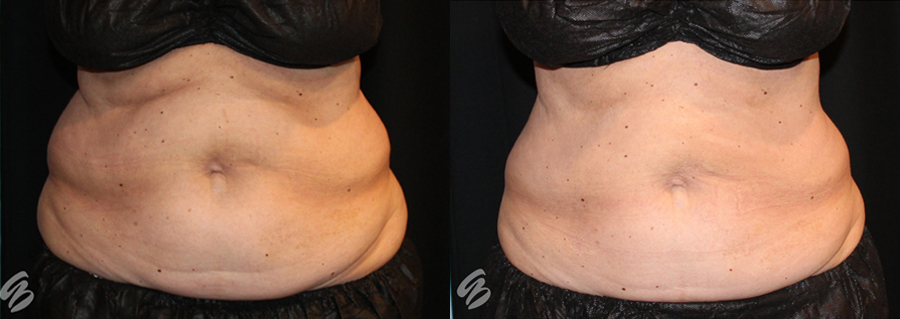







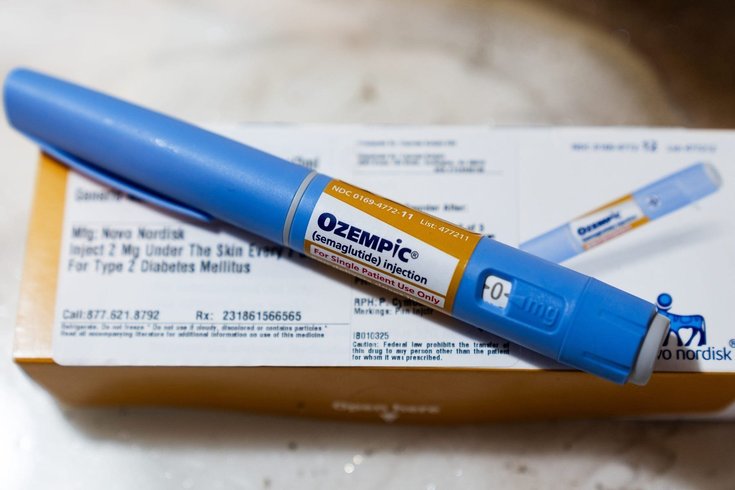





![The GLP-1 Solution: 175+ Strategies, Tips, and Tools to Maximize Your Weight Loss and Feel Your Best on Semaglutide, Tirzepatide, and More [Book]](https://d28hgpri8am2if.cloudfront.net/book_images/onix/cvr9781507224113/the-glp-1-solution-9781507224113_hr.jpg)