An osteopathic assessment may help identify imbalances that affect overall energy levels and well-being
Additional at-risk groups include: Vegans and strict vegetarians , who may have low dietary B12 intake People with autoimmune conditions , including pernicious anaemia or type 1 diabetes Individuals with gastrointestinal conditions such as Crohn's disease or coeliac disease, which impair nutrient absorption People who have undergone bariatric surgery , which can significantly reduce B12 absorption Long-term users of proton pump inhibitors (PPIs) or H2-receptor antagonists , which reduce gastric acid and impair B12 release from food Those with a family history of either pernicious anaemia or diabetes For these groups, simultaneous monitoring of B12 status and glycaemic markers is particularly important to avoid diagnostic errors
[DOI] [PMC free article] [PubMed] [Google Scholar] 16.Esposito M, Mirizzi P, Fadda R, Pirollo C, Ricciardi O, Mazza M, Valenti M
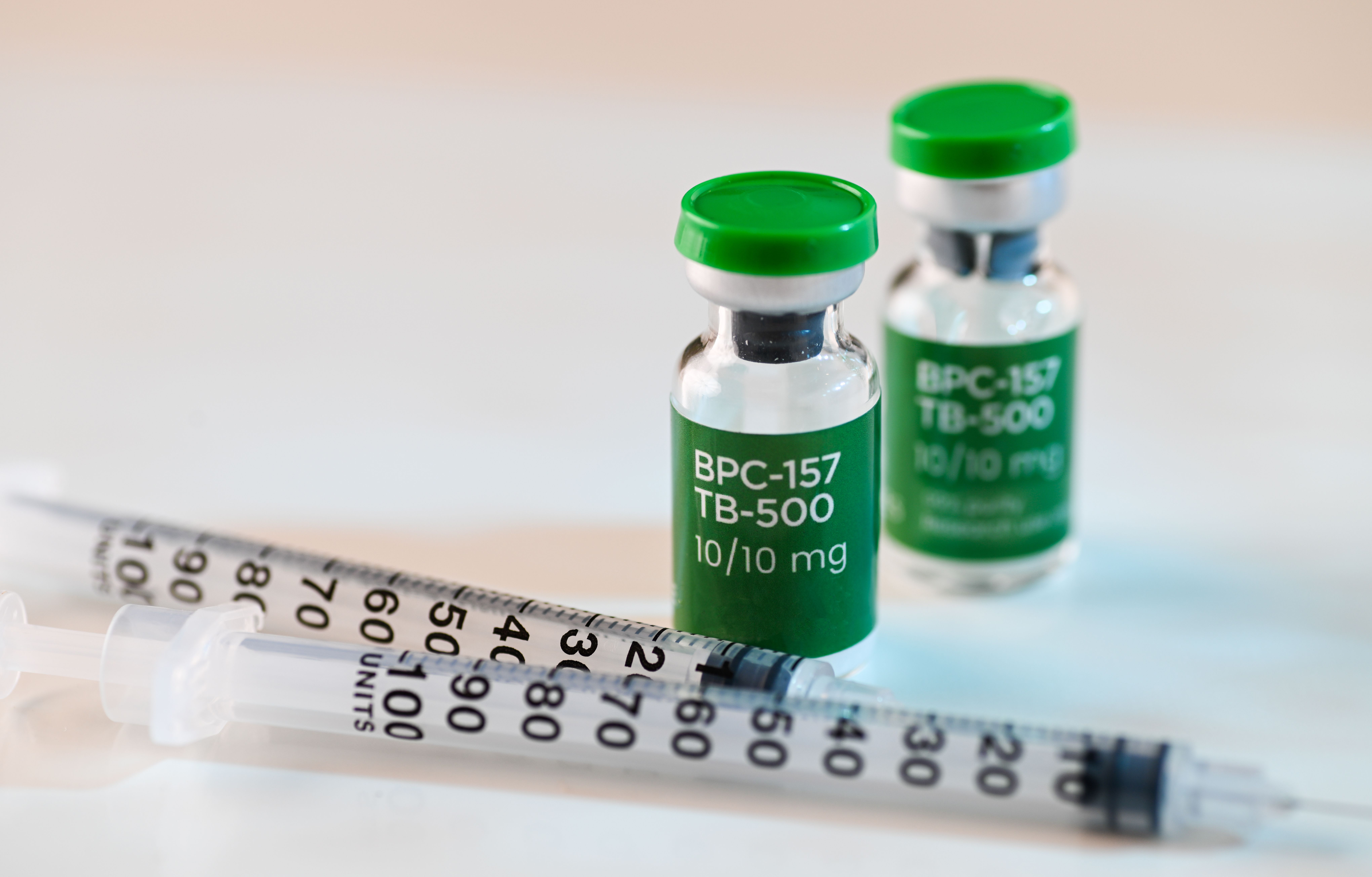
These insights should be interpreted with a qualified healthcare provider to contextualize emerging therapies within your overall clinical picture