These findings challenge the assumption that pharmacologic weight reduction through semaglutide may indirectly improve fertility outcomes [13], and instead raise the possibility of unintended effects when used prior to fertility-related care
By the end of the trial, 23 of the 102 participants assigned to treatment dropped out of the study (compared to only 15 dropouts on placebo.) Many taking the drug complained of nausea, one of the most common side effects of GLP-1 drugs, which work to regulate blood sugar, and end up slowing down digestion
[3] [4] PCOS, GLP-1 Treatment and Menstrual Changes Polycystic ovary syndrome (PCOS) affects approximately 10% of women of reproductive age in the UK and is characterised by irregular periods, elevated androgens, and often insulin resistance
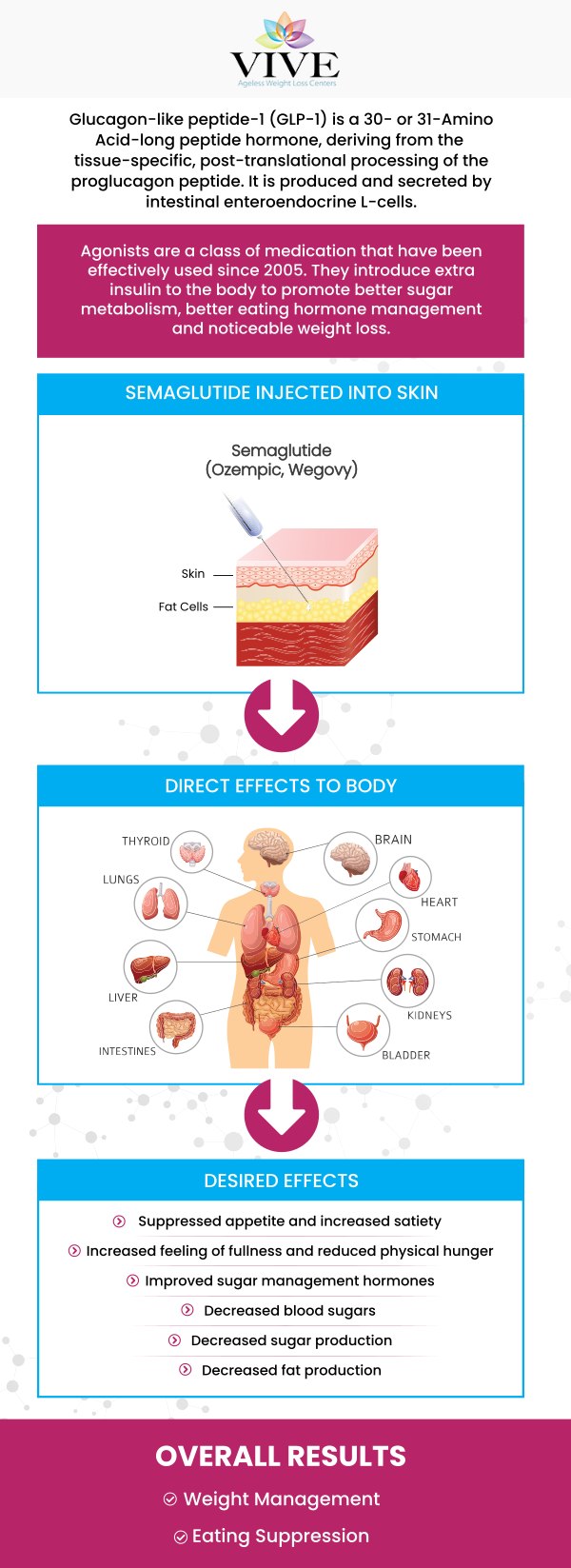
Consistent with these findings, the current study confirmed that the semaglutide-intensified treatment group exhibited reduced fasting plasma glucose, fasting insulin, total cholesterol, triglyceride, and LDL-C levels compared with baseline