Adults over 65 on GLP-1 drugs who face the highest risk of muscle loss, malnutrition, and bone complications include those who: Have any baseline indication of sarcopenia (reduced grip strength, slow gait speed, or prior falls) Are losing weight rapidly without concurrent resistance training Are not consuming enough protein, which may go unrecognized because reduced appetite from the drug masks inadequate nutritional intake Have kidney disease, osteoporosis, or other conditions that make lean mass and bone density loss more clinically consequential Are not being monitored for muscle and bone changes during treatment Symptoms and Warning Signs to Watch For Older adults on GLP-1 drugs and their family members should monitor for: Weakness that is disproportionate to weight loss (difficulty rising from a chair, reduced grip strength, or changes in gait) Significant fatigue or reduced energy that does not improve over time Falls or near-falls, which can be an early marker of functional muscle loss Inadequate fluid intake (dry mouth, decreased urination, confusion), which can indicate dehydration Unintended continuation of weight loss beyond a healthy target weight Signs of nutritional deficiency including hair loss, easy bruising, or oral health changes These symptoms should prompt contact with the prescribing physician and evaluation of protein intake, hydration, and body composition
What's becoming clearer is that the gut and the mouth share a two-way connection through the immune system (sometimes called the gut-oral axis)
A 2024 case report in the Journal of Clinical Endocrinology documented mild thyroid suppression (TSH elevation from 2.1 to 4.8 mIU/L) in one patient using KLOW for nine months, but causality couldn't be established due to confounding supplement use
This peptide, according to some research, may have the following potential benefits: 1







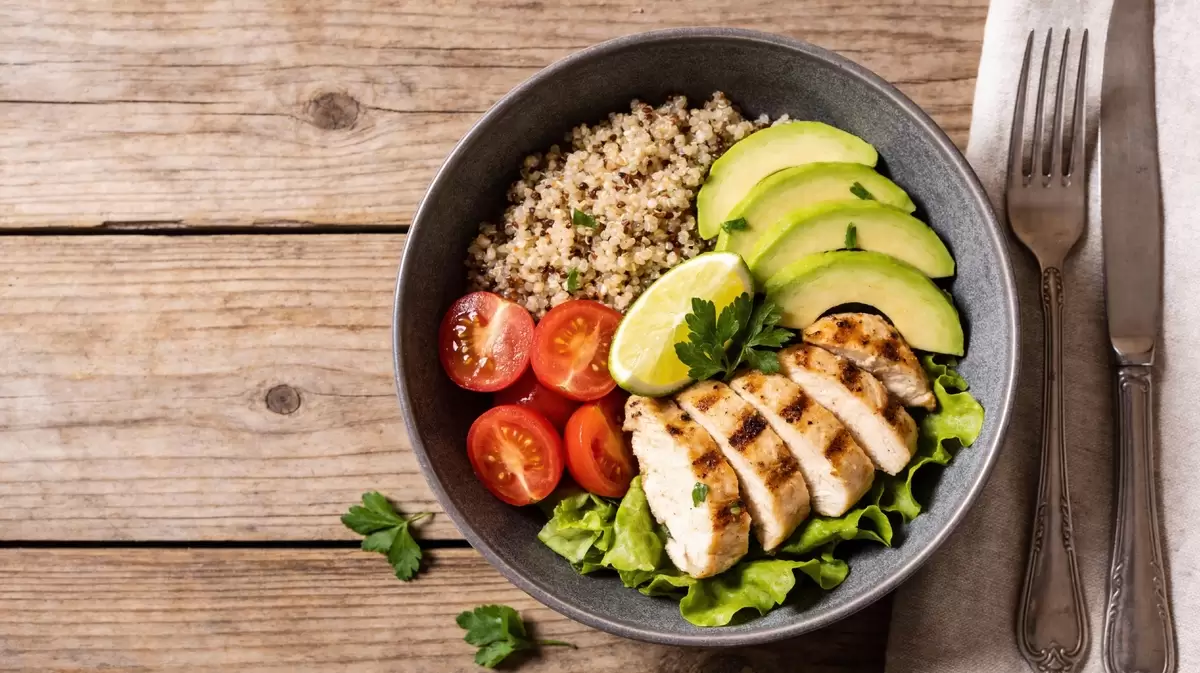
:max_bytes(150000):strip_icc()/Simple-7-Day-GLP-1-Friendly-Meal-Plan-for-Beginners-Created-by-a-Dietitian-69f3d02b6c2c41928135df7f0c417552.jpg)