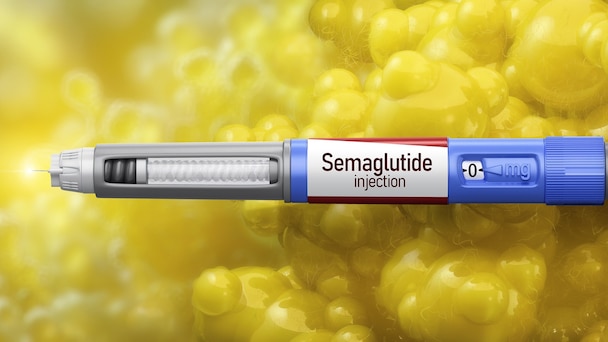
GLP-1 medications include semaglutide, dulaglutide, and liraglutide, used for type 2 diabetes and weight management Common gastrointestinal effects (nausea, vomiting, diarrhoea) can lead to fluid loss and electrolyte depletion affecting muscle function Maintaining adequate hydration (1.52 litres daily) and dietary electrolyte intake may help prevent cramping Concurrent medications such as diuretics, SGLT2 inhibitors, and statins may contribute to muscle-related symptoms Persistent, severe, or frequent cramps warrant medical review to assess electrolytes, renal function, and exclude other causes Table of Contents What Are GLP-1 Medications and How Do They Work
Studies show that after one year, people taking Orlistat may lose an average of 10% of their body weight
They exist throughout your brain, including areas that regulate wakefulness, arousal, and energy perception
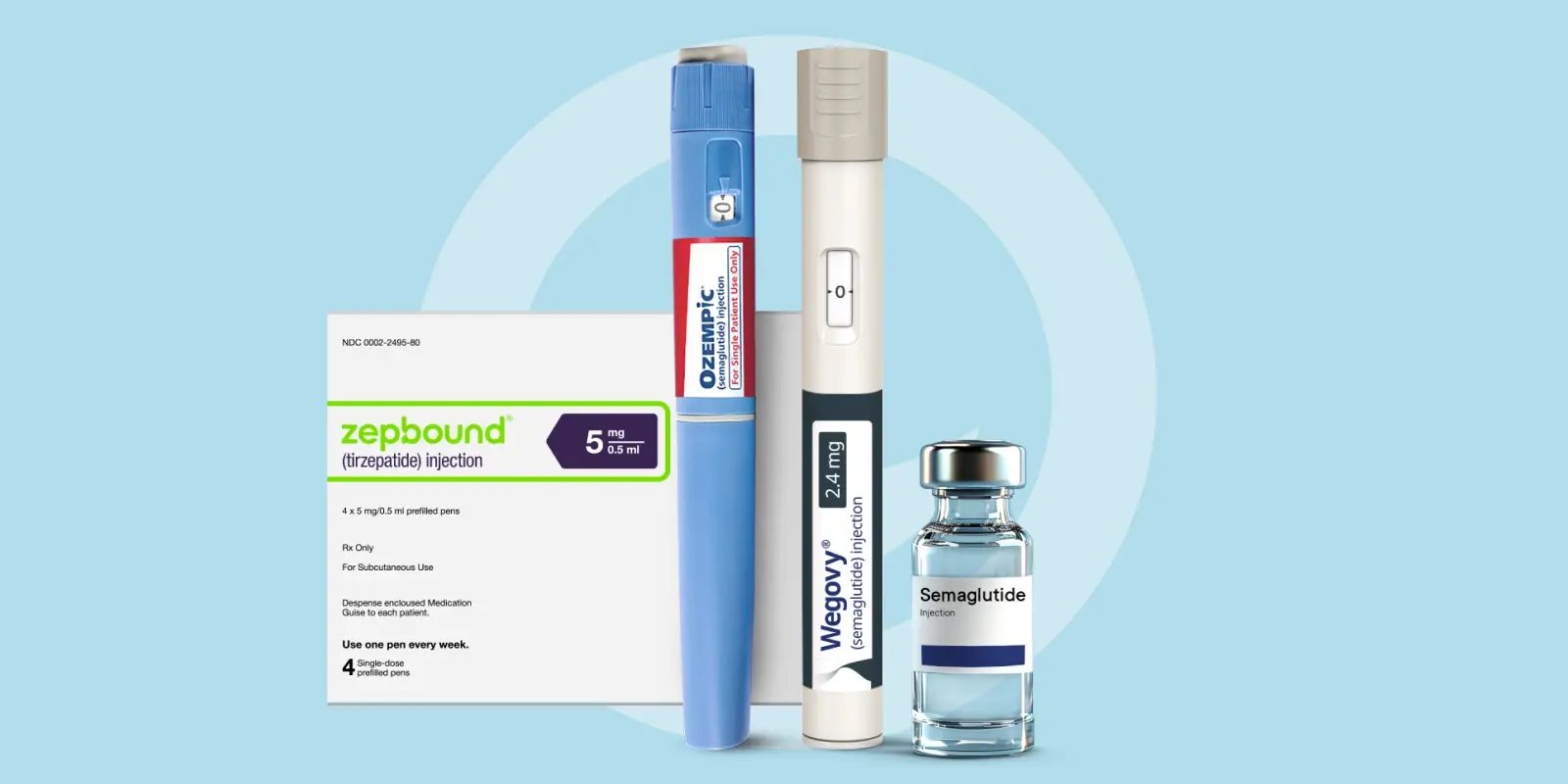
Tirzepatide is a glucose-dependent insulinotropic polypeptide (GIP) and glucagon-like peptide-1 (GLP-1) receptor agonist approved by the FDA for type 2 diabetes management and chronic weight management