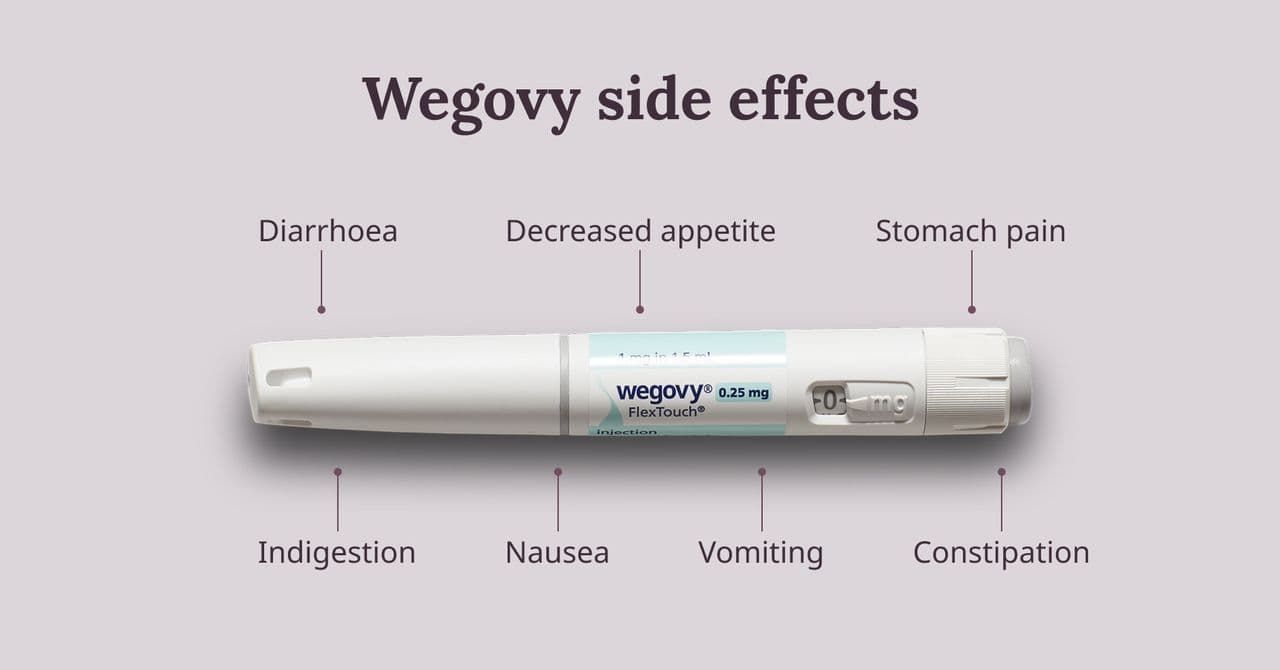
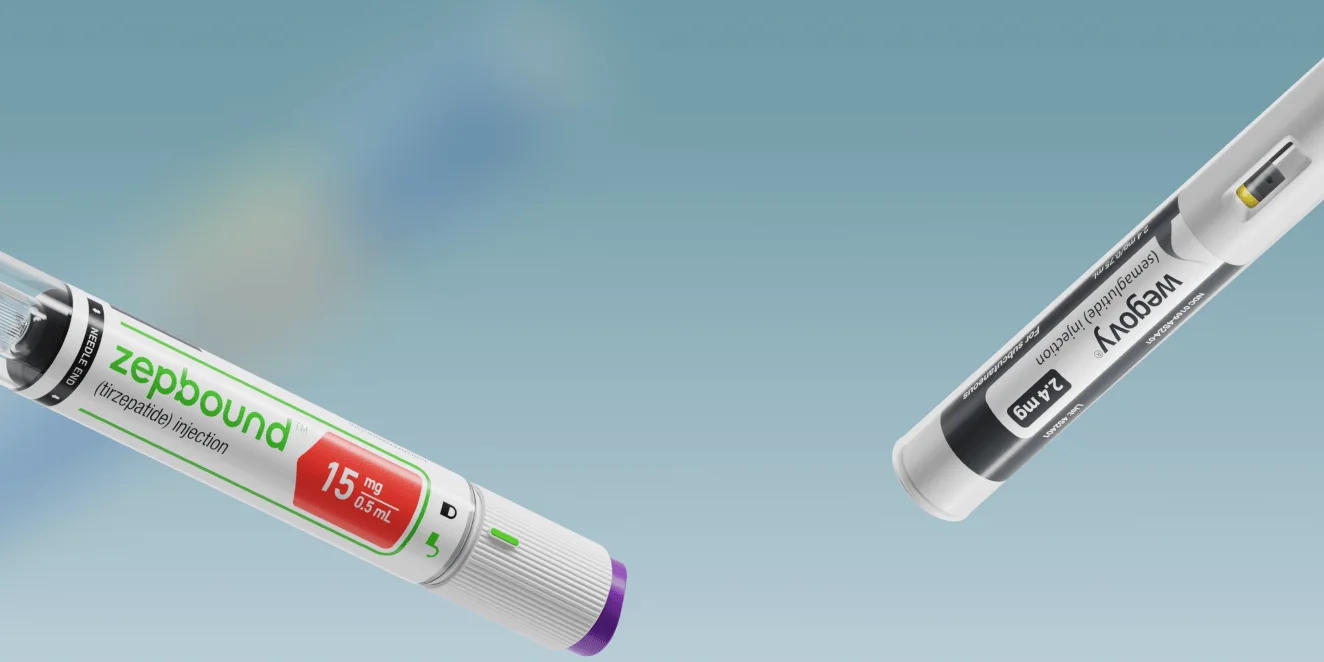
A clinical study published in the New England Journal of Medicine in 2024 (4) showed that, in people with excess fatty liver with mild to moderate fibrosis , administration of drugs once a week for 240 weeks was correlated with: improvement in liver composition and inflammation without worsening of fibrosis in more than 60% of cases, compared with approximately 34% of subjects on placebo reduction in scar tissue without worsening of steatohepatitis in more than 36% of patients, compared with around 22% of those on placebo resolution of steatohepatitis with a reduction in fibrosis in 32.7% of patients, compared with 16.1% in the placebo group average reduction in body weight of 10.5%, compared with just 2.0% on placebo The mechanisms that could explain these results From a medical point of view, these effects on liver health could be explained by several complementary mechanisms: a general reduction in body fat , particularly visceral fat in the abdomen and liver, a criterion often associated with improvements in liver parameters (5) a reduction in oxidative stress , known to damage liver cells (6) Although potentially interesting for supporting liver function , GLP-1 agonists are drug treatments that can have side effects (7)

Prescription strengths available in the United States include hydroquinone 2% and 4% cream and hydroquinone 2% gel
In contrast, GLP-1 QMP/LX was recycled equally well as GLP-1 QMP, about 4.5-fold more efficiently than GLP-1 WT (Fig
Researchers continue to investigate how simultaneous activation of these complementary signaling systems influences the amplitude and regulation of endogenous growth hormone pulses
/assets/production/practices/9dae91ebe84ee65e802ad7824252066532574ce4/images/2783029.jpg)