

Doxorubicin (DOX) has the inherent ability to chelate Fe3 +, forming a doxorubicin-Fe3 + complex that catalyzes the formation of hydroxyl radicals (OH-)
Though not guaranteed, many analysts believe there are two reasons why its likely to happen
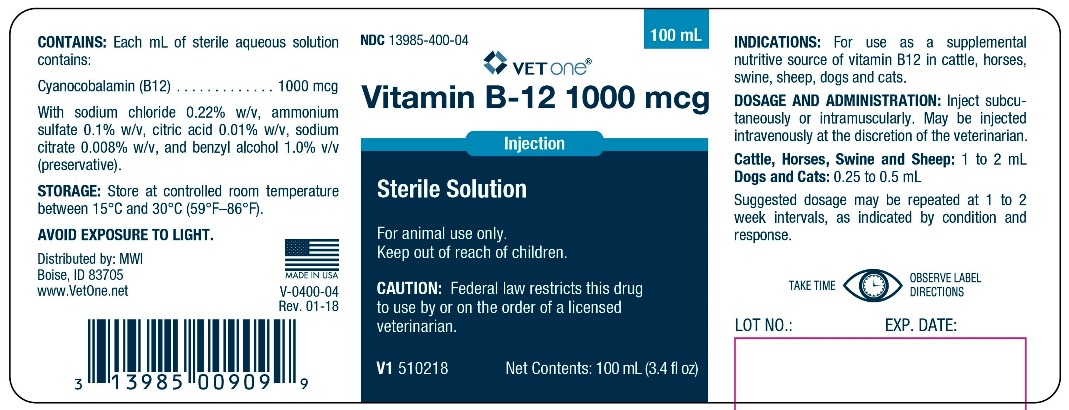
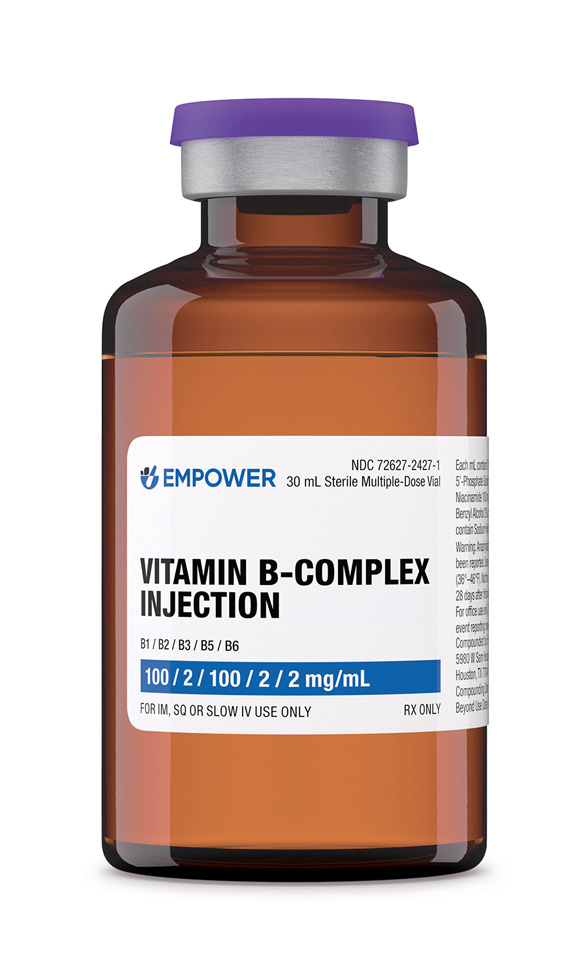
[3] [4] It is given by injection into a muscle or vein, [2] by pill or sublingually
Thus, in perfect agreement with the recent ADA-EASD consensus report [6], we also encourage the adoption of GLP-1RA plus SGLT2i combination therapy in T2DM patients with established ASCVD (coronary artery disease, cerebrovascular disease, or peripheral arterial disease) or multiple risk factors for ASCVD (i.e., age 55 years, obesity, dyslipidemia, hypertension, current tobacco use, left ventricular hypertrophy, and/or proteinuria) whose HbA1c remains suboptimal despite initial treatment with only one of these agents