El medicamento Ozempic ya se vende en Argentina
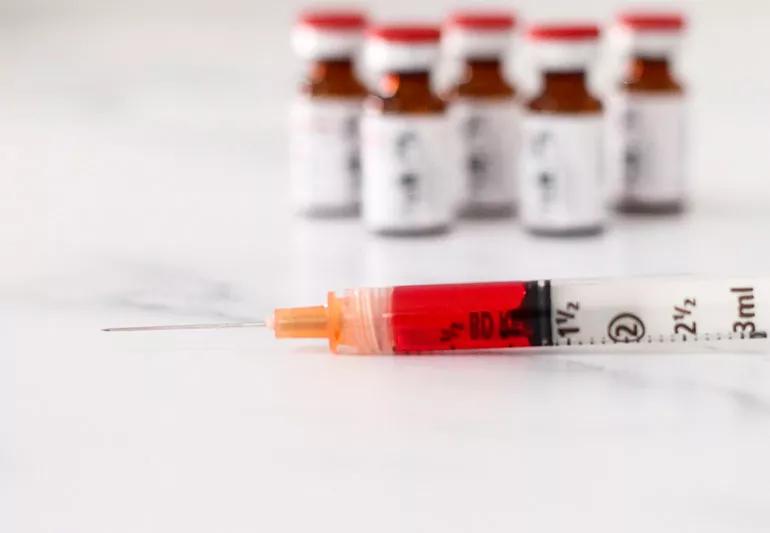
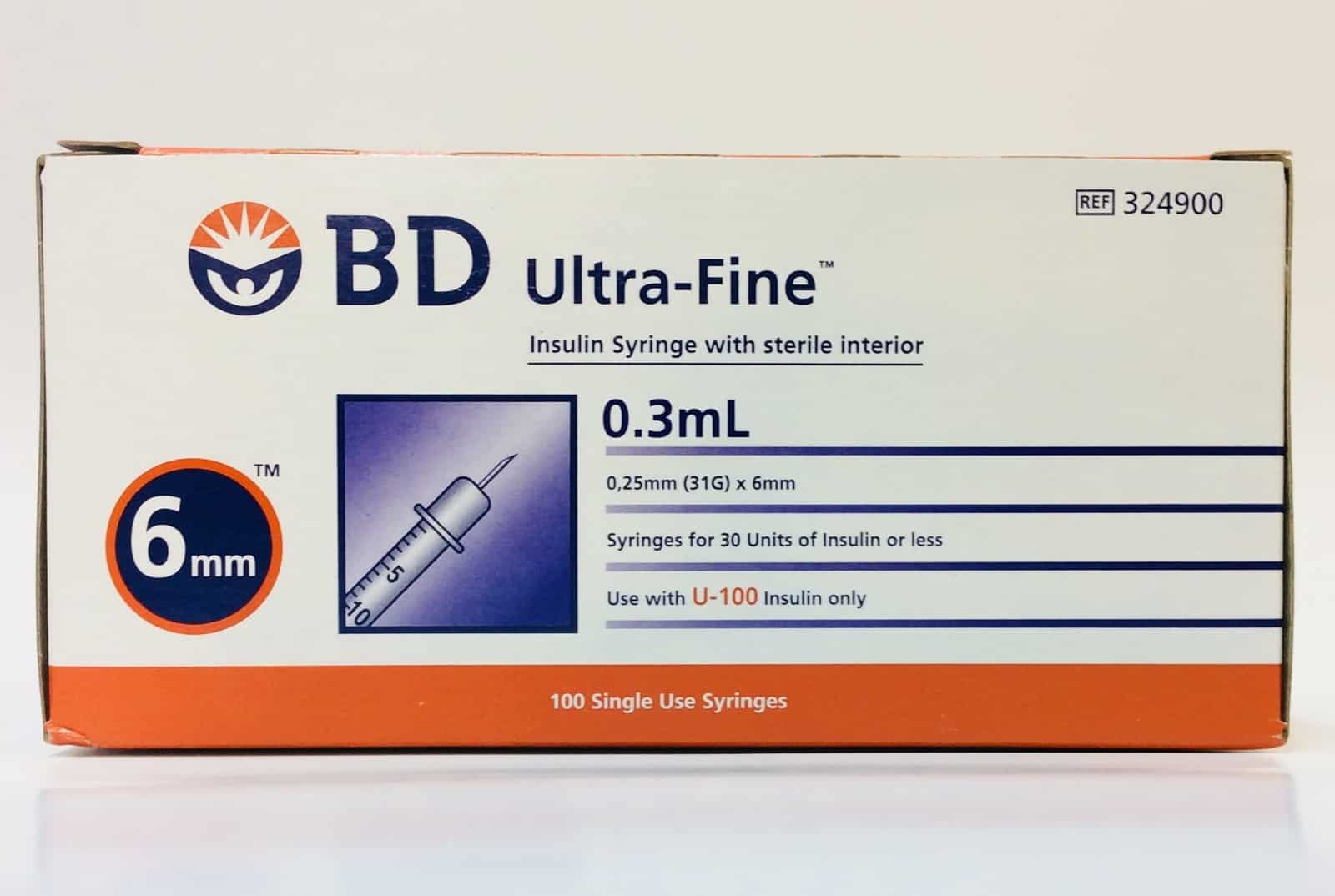
Four weeks at 0.25mg uses 0.4mL
Causes (I GET SMASHED) * I Idiopathic * G Gallstones (most common overall) * E Ethanol (alcohol) * T Trauma * S Steroids * M Mumps and other infections * A Autoimmune pancreatitis * S Scorpion sting (rare) * H Hypertriglyceridemia/Hypercalcemia * E ERCP * D Drugs (e.g., azathioprine, valproate) Clinical Features * Sudden severe epigastric pain radiating to the back * Nausea and vomiting * Epigastric tenderness * Fever * Tachycardia * Abdominal distension * Reduced bowel sounds (ileus) Severe disease: * Hypotension * Shock * Respiratory distress * Oliguria * Confusion Signs * Epigastric tenderness * Guarding * Dehydration * Cullen sign (periumbilical ecchymosis) * Grey Turner sign (flank ecchymosis) Investigations Blood Tests * Serum lipase (preferred

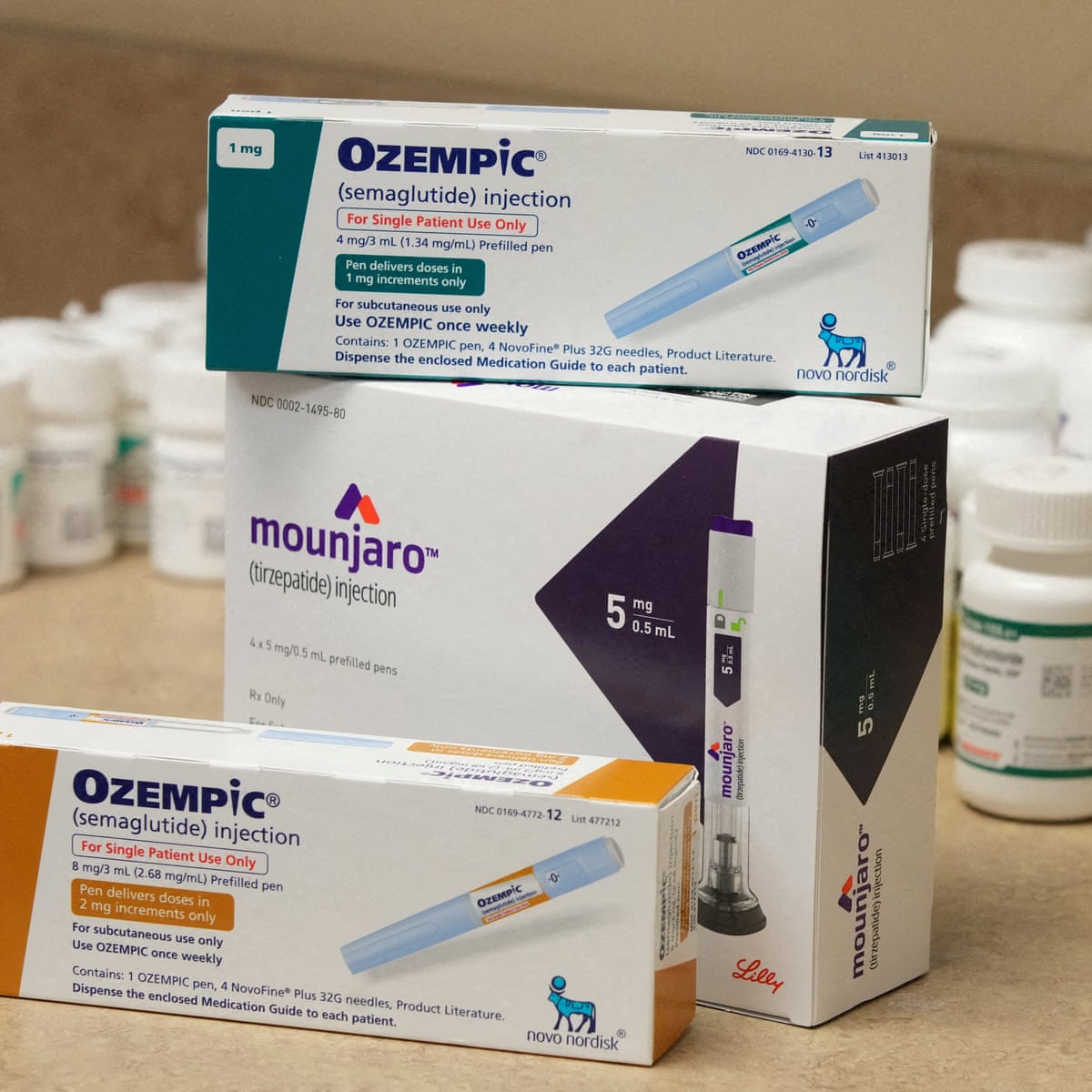
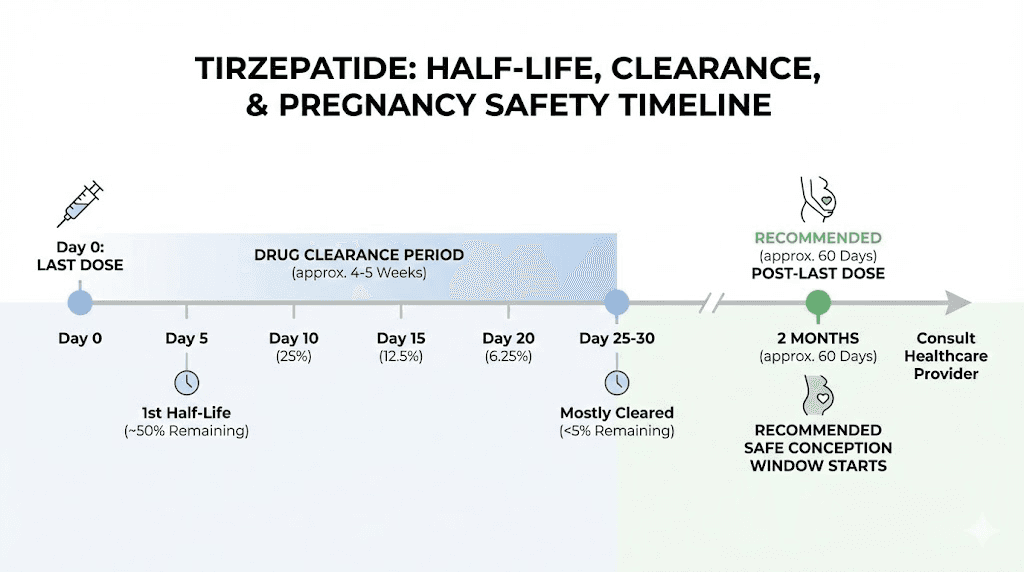
Agonists Exendin-4 (subsequently renamed exenatide, the first FDA approved incretin mimetic), Liraglutide (a longacting DPP-4-resistant GLP-1 receptor agonist), CJC-1131 (a GLP-1 analog engineered for covalent coupling to albumin), Albiglutide (originally referred to as albugon, a recombinant human albumin-GLP-1 protein), ZP10 (an exendin-4 derivative), BIM51077 (subsequently renamed taspoglutide), LY315902 (a DPP-4-resistant GLP-1 analog), LY2428757 (a pegylated GLP-1), LY2199265 (Dulaglutide, an Fc immunoglobulin fusion protein), Semaglutide (a synthetic peptide similar to GLP-1), Lixisenatide (a synthetic peptide similar to exandin-4), and Tirzepatide (LY3298176, a dual agonist of GIP and GLP-1 receptors)









&srotate=0)
.png)



%20(1).png)