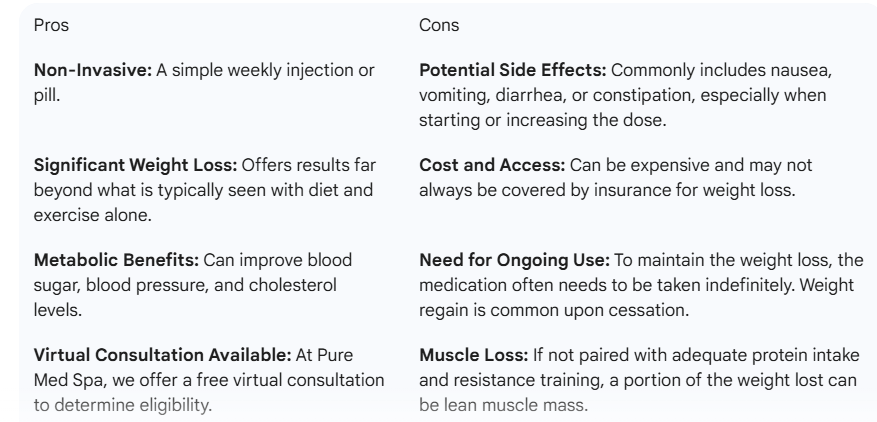
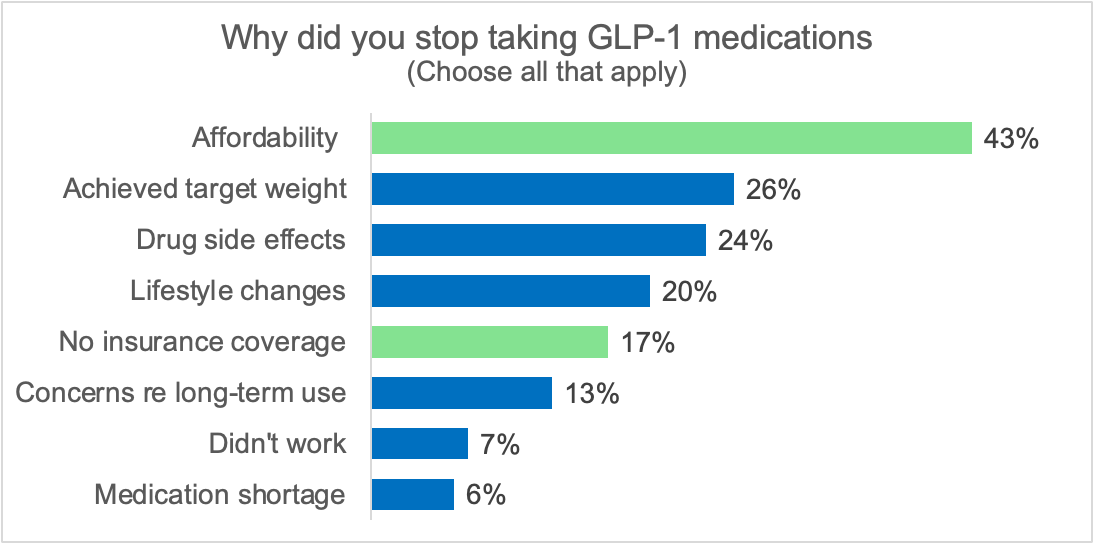
This dominance reflects the current treatment paradigm where GLP-1 medications are primarily positioned and reimbursed for obesity management based on BMI criteria rather than cardiovascular risk reduction

Etiology Hard stool Explosive diarrhea Anal receptive intercourse Anal trauma Surgical instrumentation Pathogenesis Multiple proposed mechanisms Most anal fissures occur at posterior midline Area of greatest stress Relative ischemia of the area History Symptoms are often cyclical Sharp anal pain with defecation, passing pieces of glass/razor blades Anal pain followed by throbbing and anal spasm Anal bleeding Acute fissure Present 6 8 weeks Pain with defecation is less severe than with acute fissure Physical Exam Visual inspection of anus reveals fissure linear separation of anoderm If fissure is not visible, gentle pressure with cotton tip on posterior and anterior aspect of the anal canal can reproduce the exam Exam under anesthesia if diagnosis is unclear Acute fissure: longitudinal line Chronic fissure: exposed internal sphincter fibers at the base, hypertrophied anal papilla proximally, and skin tag or sentinel pile (i.e., thickened mucosa/skin at the distal end of an anal fissure often confused with a small hemorrhoid) distally Atypical fissures Occur anywhere in anal canal Tend to be associated with other conditions (e.g., malignancy, Crohn disease, HIV, syphilis, tuberculosis) Treatment Treatment goals Address etiology (e.g., constipation, anal trauma cause) Relax and dilate internal anal sphincter to improve blood flow and for allow healing Address pain and bleeding symptoms Medical management Majority of acute anal fissures resolve with medical management
In a recent review on pravastatin in LC, it was concluded that pravastatin did not have any beneficial effects in SCC [98]
First demonstration of giant pandas immune response to canine distemper vaccine