Update to the Extraordinary Circumstances Exception (ECE) Policy for the Hospital OQR, REHQR, and ASCQR Programs In the CY 2026 OPPS/ASC proposed rule (90 FR 33756 through 33757), we proposed to update the current Hospital OQR, REHQR, and ASCQR Program ECE policies codified at 42 CFR 419.46(e)
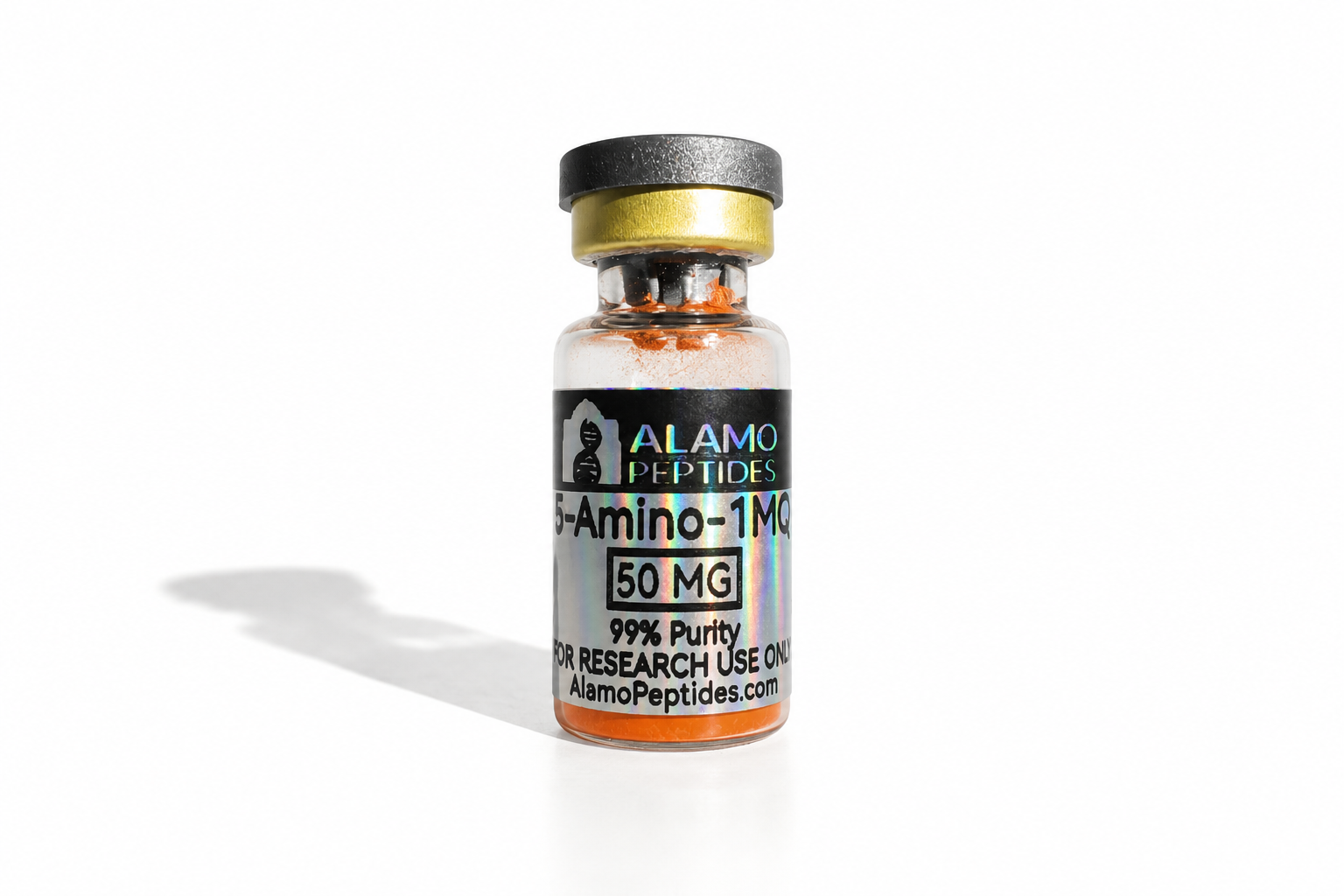
These additions do not change the reconstitution process for lyophilized vials
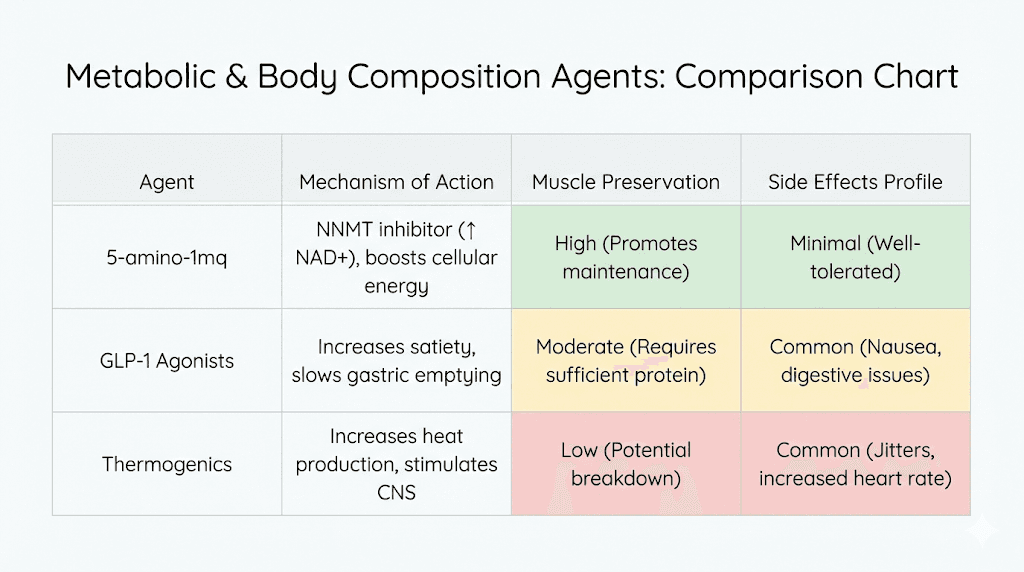
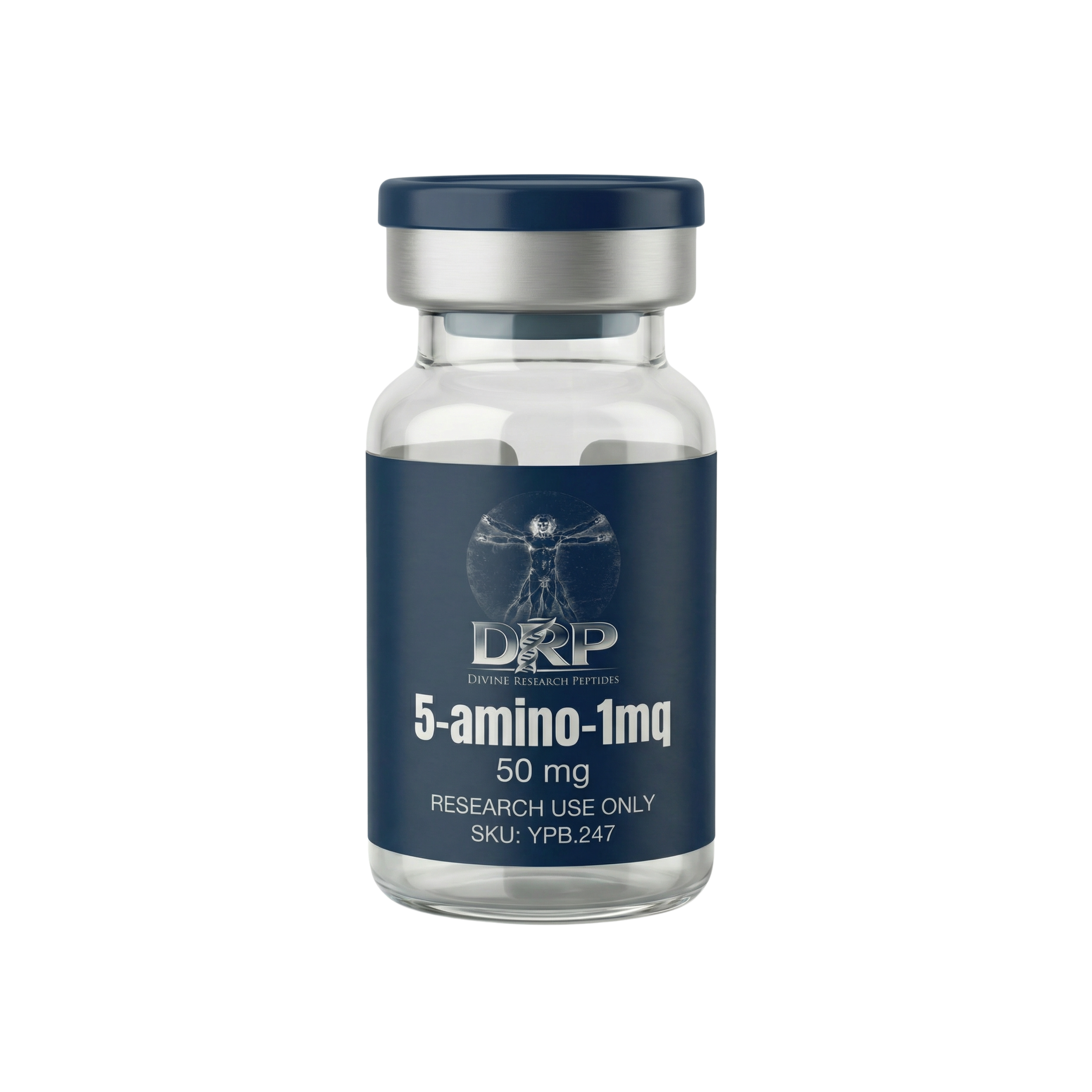
Uses & Indication Overweight or obesity (BMI above 25) Visceral and abdominal fat reduction Metabolic slowdown associated with aging Enhancing fat loss while maintaining muscle mass Suitable for patients who cannot tolerate stimulant-based weight loss medications Can be used alongside GLP-1 medications but does not replace them Benefits Increases fat breakdown through lipolysis activation Reduces new fat formation Targets stubborn adipose tissue Does not affect blood sugar or IGF-1 levels Safe metabolic profile suitable for long-term use Supports gradual and steady fat loss Dosage & Injection Protocol Standard Dosing 500 mcg subcutaneously once daily Administer in the morning while fasting or before bed Avoid injecting within 2 hours of meals, especially carbohydrate-heavy meals Injection Timing Rules Inject on an empty stomach (avoid food for 2 hours before and 30 to 45 minutes after)
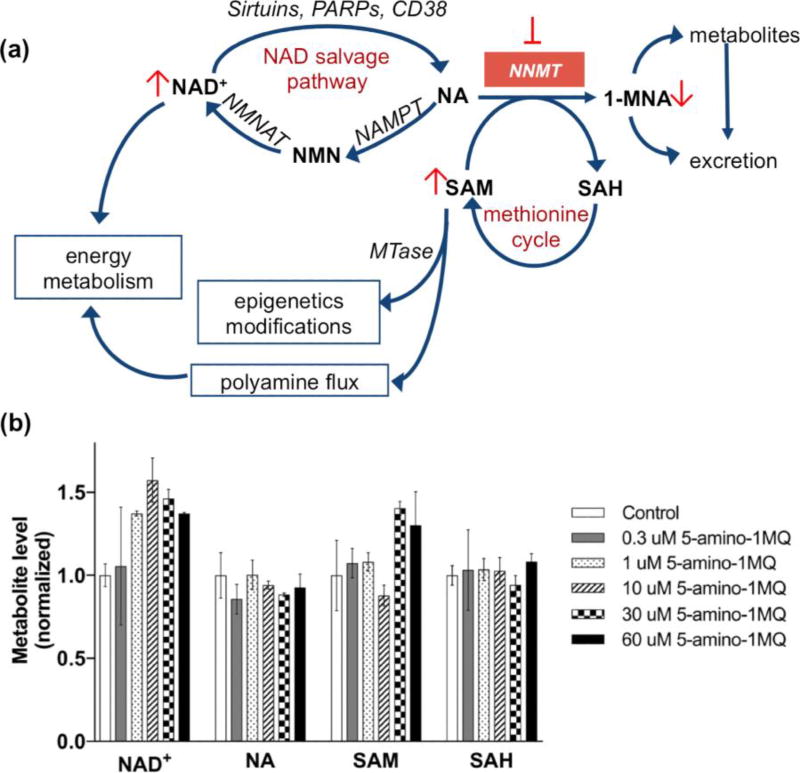
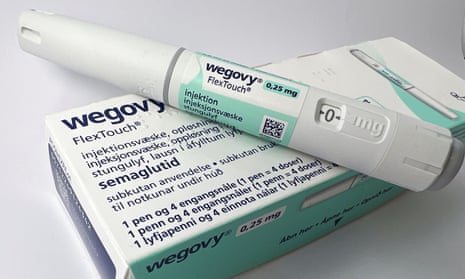
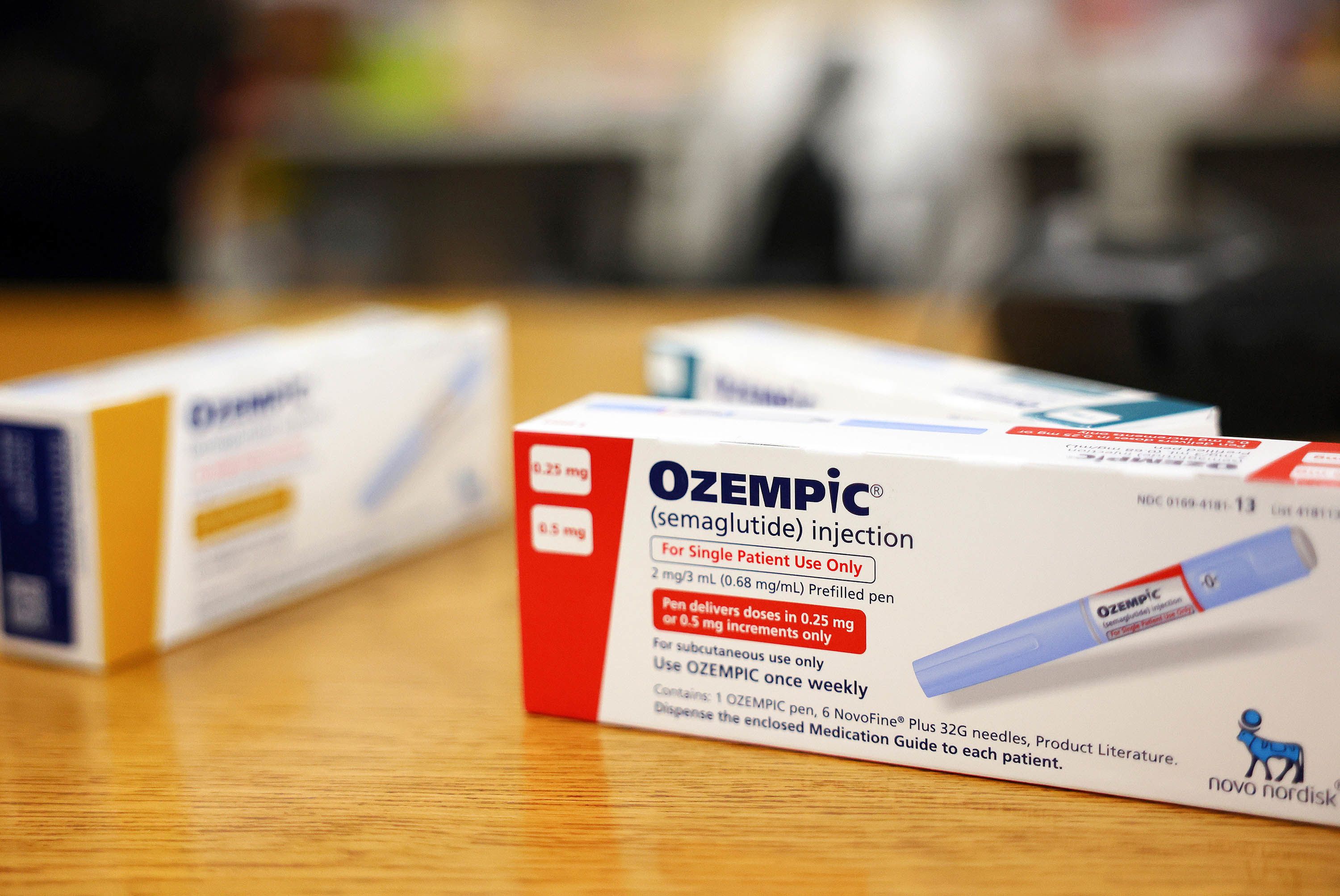
(Study: Heffernan et al., 2001) Conclusion In the complex landscape of weight management, the diverse array of innovative medications such as Ozempic, Semaglutide, Tirzepatide, Mounjaro, Wegovy, and the AOD 9604 peptide provide healthcare providers and individuals with a multitude of options


![Ozempic Vision Loss Lawsuit [2026 Update]](https://www.torhoermanlaw.com/wp-content/uploads/2024/09/What-To-Do-If-You-Suspect-Vision-Loss-Due-to-Ozempic-and-Other-Semaglutide-Drugs-1.jpg)








,aspect=ignore)